

The Remarkable Legacy of Begum Samru: A Queen’s Influence on Smallpox History
The 18th century witnessed significant upheaval in the Indian subcontinent, marked by dramatic shifts in power and identity. Among those who emerged as influential figures was Farzana un-Nissa, known...

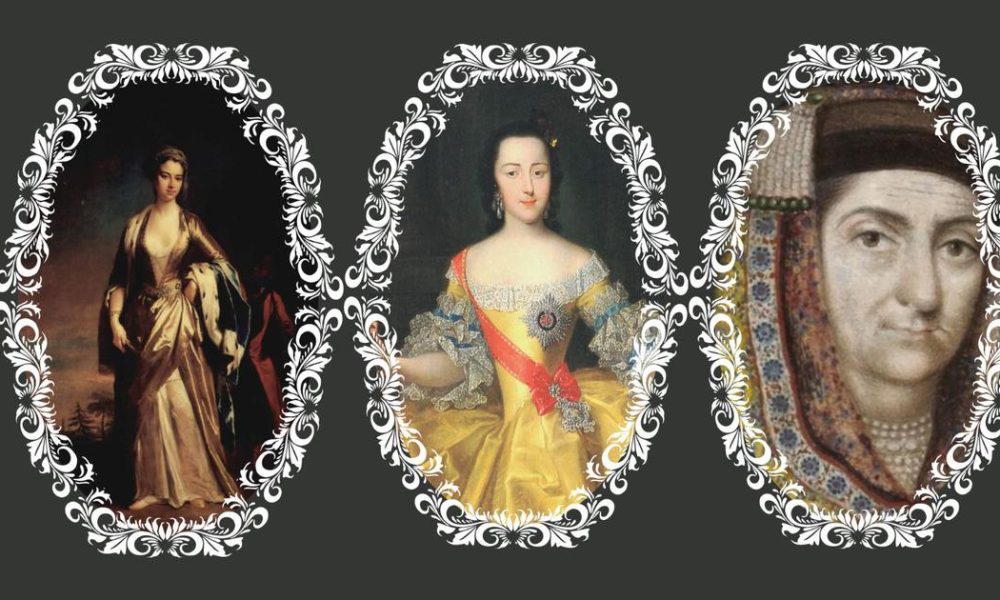
The 18th century witnessed significant upheaval in the Indian subcontinent, marked by dramatic shifts in power and identity. Among those who emerged as influential figures was Farzana un-Nissa, known post-conversion as Joanna Nobilis Sombre. This Kashmiri-born courtesan’s life took a transformative turn when she married the European mercenary General Walter Reinhardt Sombre, a man noted for his changing allegiances amidst the turbulent politics of the era.
Upon her husband’s death, Joanna inherited not only his considerable wealth and estates but also his military influence, becoming the de facto ruler of Sardhana, which is now part of Meerut in Uttar Pradesh. Her legacy is one of resilience and strategic brilliance; she commanded troops in significant battles against the British forces, demonstrating remarkable military acumen. Despite eventually yielding to the British in the early 19th century, her courage and leadership have left an indelible mark on the history of British imperialism in India.
Interestingly, Joanna’s story is intertwined with the cultural mythology surrounding smallpox in India. According to local legends, during a severe outbreak that afflicted her son, Joanna earnestly prayed at a site that later became known as a sacred spot associated with a goddess. Miraculously, her son recovered, and this event spurred the veneration of the location, ultimately transforming Joanna into a revered figure associated with the deity.
This intermingling of personal tragedy and divine intervention not only highlighted her role as a protector of her family but also established her as a key figure in the spiritual narratives tied to smallpox. The site became a pilgrimage destination for those seeking blessings and protection from the disease, illustrating how a local legend can evolve, rooted in historical figures and their experiences.
Joanna Nobilis Sombre’s life exemplifies the intersection of culture, faith, and politics in 18th-century India. As a noblewoman who defied social conventions, her legacy transcends her immediate military achievements, encapsulating the complexities of identity and belief in the face of colonial expansion. Her story serves as a reminder of the nuanced histories that contribute to the tapestry of Indian heritage, reflecting both the struggles and resilience of those who lived through one of its most tumultuous periods.
Source: scroll.in







No Comment! Be the first one.