

Workers Across India Demand Fair Wages Amid Rising Living Costs
In a significant wave of protests that swept through various Indian cities in early April, workers from diverse sectors have raised their voices against inadequate wages, calling for urgent reforms...

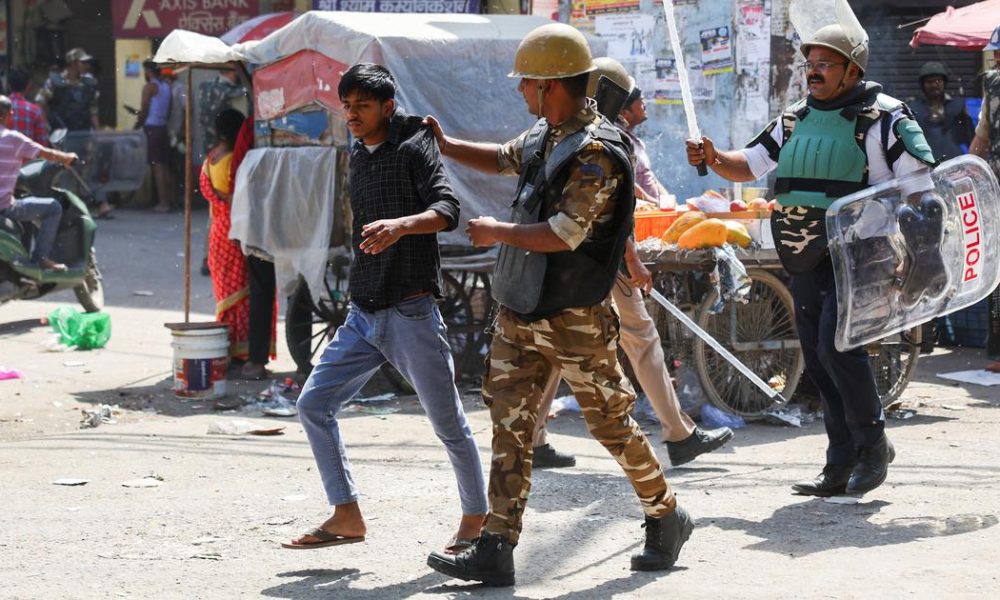
In a significant wave of protests that swept through various Indian cities in early April, workers from diverse sectors have raised their voices against inadequate wages, calling for urgent reforms to reflect the rising cost of living. Domestic, gig, and industrial workers, particularly those who have migrated to urban areas, are at the forefront of these demonstrations. Their demands for increased wages and overtime pay echo the struggles faced by many as they navigate a precarious economic landscape.
The protests were ignited by a surge in basic living expenses following a decrease in the availability of cooking gas, compounded by global economic uncertainties stemming from military conflicts, particularly the US-Israel strikes on Iran earlier this year. As the conflict escalated, the costs of everyday essentials began to spike, leaving many workers struggling to make ends meet.
In Noida, workers expressed their frustration when interviewed by the Indian Express, revealing that their monthly earnings range from Rs 13,000 to Rs 20,000. With rent prices averaging Rs 5,000 and food costs around Rs 4,000, many are left with little to no savings. One factory worker lamented a meager increase of just Rs 39 in his salary, which did little to mitigate the financial strain. Furthermore, reports of retaliatory wage deductions against those who participated in the protests have surfaced, adding to the atmosphere of fear and repression.
The situation is not unique to Noida. A broader look at urban India reveals a grim picture for those in the domestic workforce. Many domestic workers are reported to earn between Rs 7,000 and Rs 12,000 per month, often juggling multiple jobs without benefits such as paid leave or social security. The Hindustan Times highlights how these workers are essential to households but remain vulnerable and underpaid within the National Capital Region.
Security personnel employed at some of Delhi’s prominent hospitals are also feeling the financial pinch, as their wages remain stagnant despite the rising cost of living. This alarming trend underscores the need for systemic change in wage policies across the country, ensuring that every worker can secure a living wage that aligns with the realities of today’s economic challenges. As the protests continue, the call for fair compensation resonates across urban India, highlighting a pressing need for dialogue between workers and policymakers.
Source: scroll.in







No Comment! Be the first one.