

Chhattisgarh High Court Upholds FIR Against Professor Accused of Coercing Non-Muslim Students in Religious Practices
The Chhattisgarh High Court has recently declined to dismiss an FIR against a professor accused of coercing non-Muslim students into participating in Islamic prayers during a National Service Scheme...

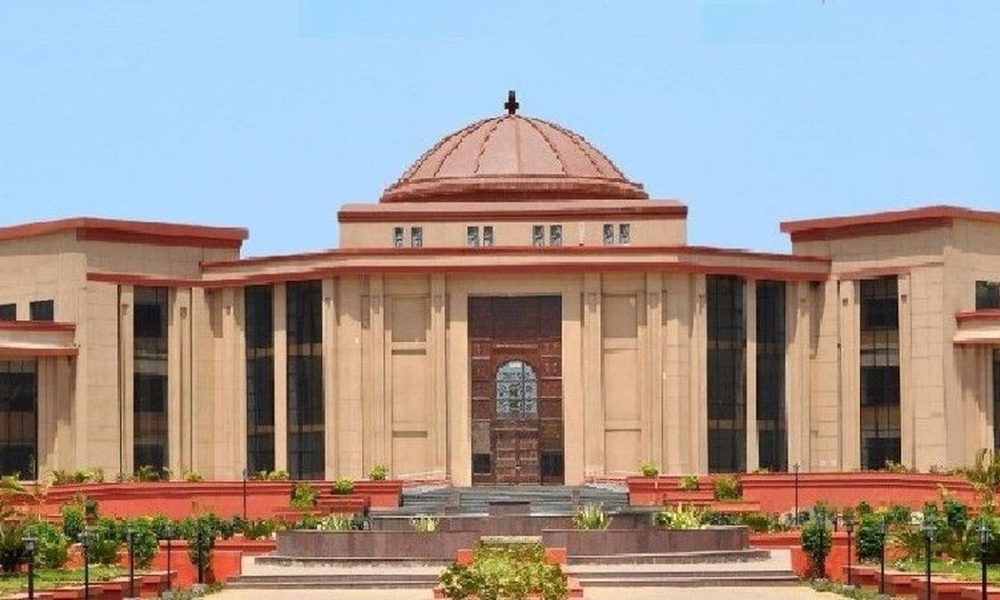
The Chhattisgarh High Court has recently declined to dismiss an FIR against a professor accused of coercing non-Muslim students into participating in Islamic prayers during a National Service Scheme (NSS) camp held in Bilaspur. The case against Dilip Jha, the accused professor and project coordinator, has drawn significant attention as it raises questions about religious freedom and coercion in educational settings.
During the NSS camp organized by Guru Ghasidas Central University in March 2025, reports indicate that Muslim students were invited to perform namaz on stage to mark the festival of Eid-ul-Fitr. Allegations surfaced that non-Muslim students were also compelled to join the prayers, allegedly without their consent. According to complaints filed by the affected students, those who objected to this practice faced intimidation, including threats of negative repercussions such as the cancellation of their participation certificates.
On April 15, a bench of Chief Justice Ramesh Sinha and Justice Ravindra Kumar Agrawal reviewed the preliminary chargesheet and found indications of valid evidence against Jha. The court highlighted that there was insufficient proof at this stage to determine if the proceedings were initiated with ulterior motives, thus allowing the legal process to continue. This decision reflects the court’s approach to carefully balance individual rights and the pursuit of justice.
Following the initial complaint, the police conducted a preliminary inquiry, which led to the registration of the FIR. The subsequent chargesheet filed by the police named Jha along with other involved individuals. A trial court had already acknowledged the chargesheet back in October, setting the stage for a more in-depth legal examination of the allegations.
This case not only underscores the complexities of secularism in Indian educational institutions but also ignites broader discussions about the interplay between religion and education in a diverse society. As the legal proceedings unfold, it remains to be seen how this incident will influence policies regarding religious practices in academic environments moving forward.
Source: scroll.in





No Comment! Be the first one.