

Navigating Legal Challenges: The Journey of Gender-Fluid Voices in India
In 2006, the legal battle against the criminalization of homosexuality in India resurfaced as a significant case was brought before the Delhi High Court. At the heart of this struggle was a coalition...

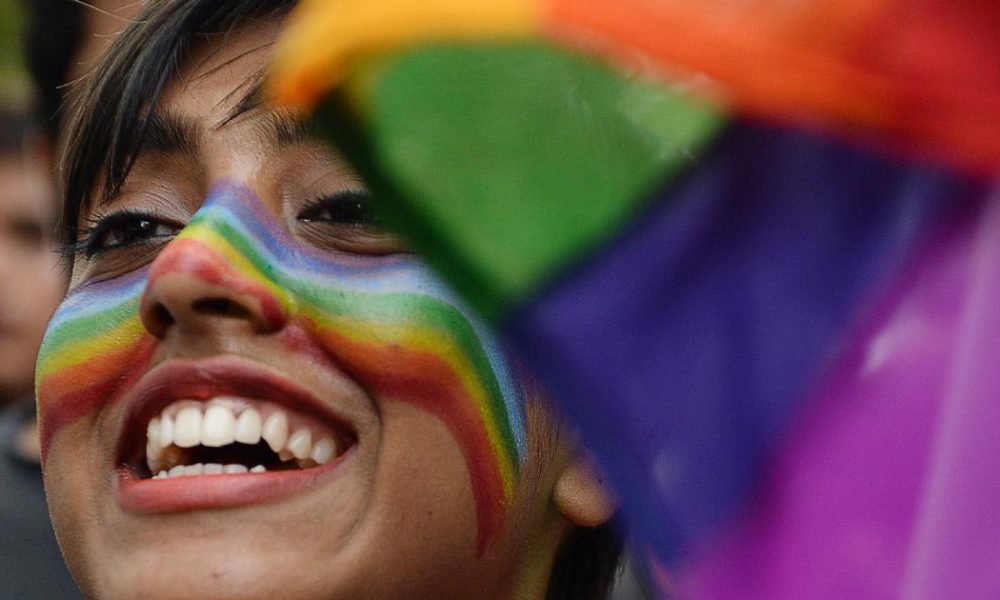
In 2006, the legal battle against the criminalization of homosexuality in India resurfaced as a significant case was brought before the Delhi High Court. At the heart of this struggle was a coalition known as Voices Against 377, which sought to collect firsthand accounts from those directly impacted by Section 377 of the Indian Penal Code, which criminalized same-sex relations. This pivotal moment came on the heels of a previous case dismissal in 2004, where the court deemed the petition too abstract and disconnected from real-life experiences.
With this knowledge in mind, the petitioners recognized the necessity of grounding their arguments in the actual lives affected by the law. However, collecting these testimonies proved challenging, as many individuals feared the repercussions of coming forward during a time when homosexuality was still criminalized. The risk of exposure loomed large, leading to hesitance among potential witnesses. Despite widespread outreach efforts, responses were limited.
In facing my own reluctance to ask others for their stories, I decided to submit my affidavit as well. This act of courage was mirrored by a few others who also chose to share their experiences. Gradually, we assembled a diverse group of eight individuals, representing a spectrum of identities including gay men, those identifying with the hijra and kothi communities, and others whose narratives reflected the complexities of same-sex relationships under the oppressive weight of Section 377.
This small but powerful coalition aimed to demonstrate that the law did not exist in a vacuum; it had real implications for people’s lives. Their stories were not merely anecdotal but were essential in portraying the human impact of legal frameworks on marginalized communities. This effort marked an important step toward challenging the legal and societal perceptions that perpetuated discrimination and stigmatization.
As the case moved forward, the testimonies collected began to transform the narrative around homosexuality in India. The voices of those who had suffered due to the law were finally being heard, bringing a sense of urgency and personal dimension to the legal proceedings. The struggle for recognition and rights for gender-fluid individuals continues, but these early efforts laid the groundwork for greater acceptance and understanding in Indian society.
Source: scroll.in







No Comment! Be the first one.