

Two Congress Corporators in Madhya Pradesh Face Legal Action for Rejecting ‘Vande Mataram’
In a controversial incident that has sparked significant debate, two Muslim Congress councillors from Indore, Madhya Pradesh, have been booked for allegedly disrespecting the national song,...

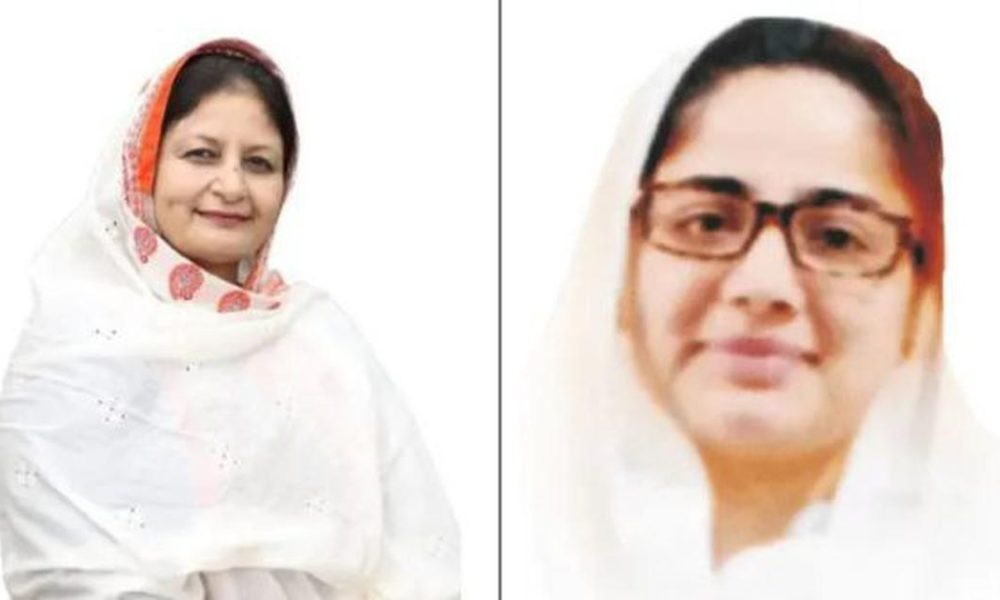
In a controversial incident that has sparked significant debate, two Muslim Congress councillors from Indore, Madhya Pradesh, have been booked for allegedly disrespecting the national song, ‘Vande Mataram.’ The incident unfolded during a recent municipal corporation budget session, raising questions about religious sentiments and patriotism in the political arena.
The corporators, Rubina Iqbal Khan and Fauzia Sheikh Aleem, reportedly declined to sing ‘Vande Mataram,’ leading to a fracas in the council. The case against them was registered following complaints from Bharatiya Janata Party (BJP) members, who argued that their refusal was an act of promoting enmity based on religion. According to Additional Deputy Commissioner of Police Ram Snehi Mishra, the allegations fall under the Bharatiya Nyaya Sanhita, which addresses actions detrimental to communal harmony.
The conflict erupted on April 8 during the council meeting, with Aleem questioning the legitimacy of any law mandating the performance of the song. She subsequently exited the session while Khan cited her religious beliefs as the reason for her refusal. This response set off a wave of protests from BJP councillors, who insisted that expressing allegiance to the nation through the song is non-negotiable.
Mishra stated that the inquiry into the matter revealed that such disagreements could potentially disrupt social and religious harmony within the community. The BJP’s response highlighted the growing tensions surrounding national symbols and their interpretation in a diverse nation like India, where numerous faiths coexist. The incident has reignited discussions about the expectations placed on public representatives concerning national symbols and the intersection of faith and patriotism.
This event is part of a broader discourse regarding the role of religious identity in public life and governance in India. As the country grapples with its multi-religious fabric, instances like these raise important questions about inclusivity and coexistence in public spaces. The ongoing debate about national identity and patriotism continues to shape political narratives, making the outcomes of this case closely watched by various stakeholders across the nation.
Source: scroll.in






No Comment! Be the first one.