

Bombay High Court Urges Republic TV to Avoid Sensationalism in Reporting on Anil Ambani
The Bombay High Court recently issued guidance to Republic TV and its editor Arnab Goswami, advising them to refrain from adding any unnecessary embellishments in their coverage of Anil...

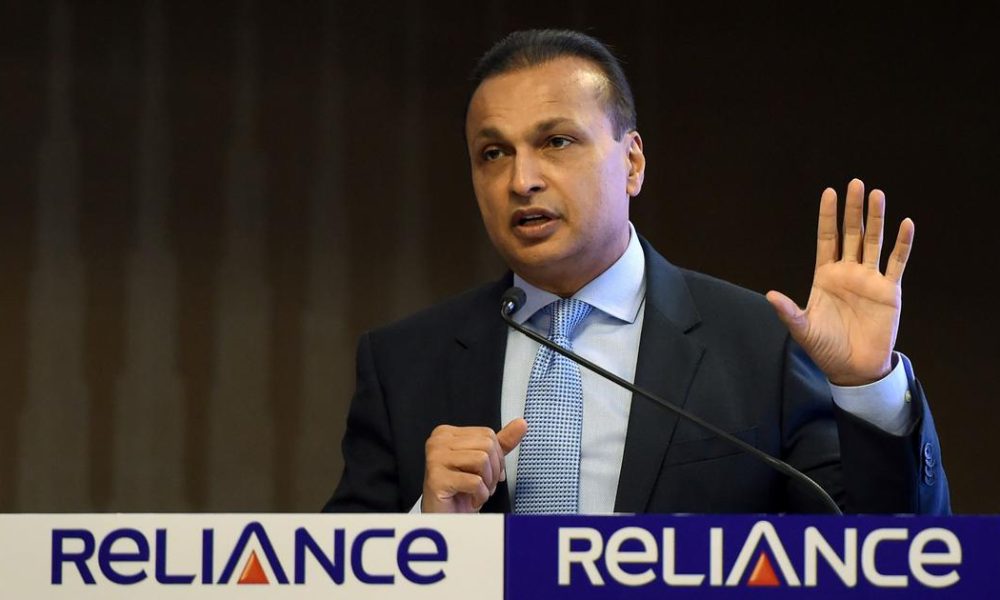
The Bombay High Court recently issued guidance to Republic TV and its editor Arnab Goswami, advising them to refrain from adding any unnecessary embellishments in their coverage of Anil Ambani’s financial matters. During a hearing held on Thursday, Justice Arif Doctor emphasized the importance of sticking to factual reporting, especially regarding ongoing investigations involving the prominent businessman.
Justice Doctor did not impose a ban on Republic TV’s reporting but did express concerns over the tone and style of the channel’s coverage. He made it clear that while the media has a right to report on legal proceedings, such reports should be strictly based on facts derived from court documents and orders. The judge’s remarks came in the wake of a defamation suit filed by Ambani against the news channel and Goswami, claiming that their reports had significantly harmed his reputation.
Ambani’s lawsuit seeks a temporary injunction against ARG Outlier, the parent company of Republic TV, along with Goswami and several unnamed parties. In a previous session, the court had already directed the channel to moderate its rhetoric, specifically noting that it should avoid publishing content that could be classified as “below-the-belt” journalism. Despite these directives, the court has not prohibited Republic TV from covering Ambani’s affairs, indicating a delicate balance between the right to free press and the need for responsible journalism.
During the latest court proceedings, advocate Mahesh Jethmalani, representing Republic TV, argued that their coverage constitutes a form of “fair comment.” He suggested that if Ambani provides specific comments from the channel that he finds objectionable, those could be reconsidered. This indicates a willingness from the news outlet to engage in dialogue regarding their reporting practices, as long as it remains within acceptable journalistic boundaries.
The backdrop of this legal tussle reveals the ongoing tension between media outlets and public figures, particularly when sensitive financial matters are involved. The court’s insistence on factual reporting resonates with broader discussions in Indian society about the ethical responsibilities of the media, especially in a landscape rife with sensational news cycles. As this case unfolds, it may likely have broader implications for how financial and legal stories are reported in the future.
Source: scroll.in







No Comment! Be the first one.