

Supreme Court Halts Pawan Khera’s Bail Amid Assam Police Controversy
In a significant legal development, the Supreme Court of India has stayed the transit anticipatory bail that was previously granted to Congress leader Pawan Khera by the Telangana High Court. This...

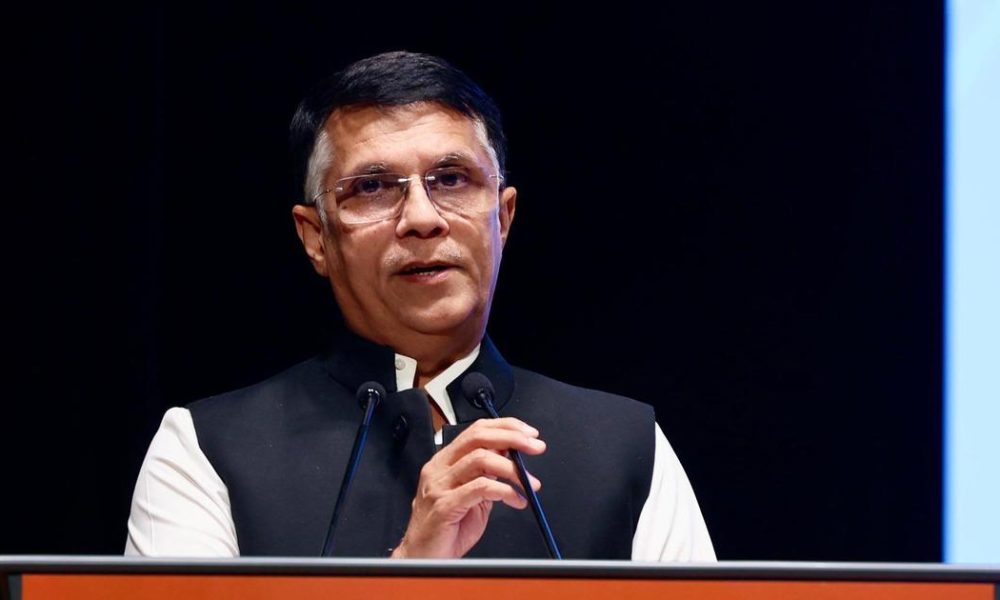
In a significant legal development, the Supreme Court of India has stayed the transit anticipatory bail that was previously granted to Congress leader Pawan Khera by the Telangana High Court. This decision comes in connection with a case filed by Riniki Bhuyan Sarma, the wife of Assam Chief Minister Himanta Biswa Sarma, and it raises important questions regarding jurisdiction and the legal protections afforded to political figures.
The Telangana High Court had initially provided Khera with temporary bail on April 10, allowing him a brief reprieve from arrest as he sought legal recourse against allegations stemming from an FIR lodged in Guwahati. The FIR accuses Khera of defamation and other serious offenses, following his claims that Riniki Bhuyan Sarma possesses multiple passports from countries including the United Arab Emirates, Egypt, and Antigua and Barbuda. These allegations have been categorically denied by both Riniki and her husband, Chief Minister Sarma.
The case emerged on the political landscape following a series of statements made by Khera on April 5, which he claims are substantiated by documentary evidence. As tensions escalated, the Assam government responded by challenging the bail order in the Supreme Court, asserting that the Telangana High Court had overstepped its jurisdiction.
During the Supreme Court proceedings, Solicitor General Tushar Mehta, representing the Assam Police, argued that Khera’s petition failed to establish any territorial jurisdiction in Telangana relevant to the FIR. He pointed out that the High Court did not adequately consider the gravity of the charges against Khera, which include allegations that implicate him in serious legal offenses.
This ongoing legal battle reflects the increasingly contentious nature of political discourse in India, where accusations and counter-accusations are common. Khera’s case highlights the potential legal ramifications of political speech and the protective measures available to public figures facing allegations. As the Supreme Court deliberates on the matter, the outcome may set important precedents regarding the intersection of law and politics in the country.
Source: scroll.in






No Comment! Be the first one.