

Supreme Court Seeks Responses from Election Commission and Centre on Biometric Voting Proposal
The Supreme Court of India has taken a significant step in response to concerns over electoral integrity. On Monday, the court issued notices to both the Election Commission of India and the Union...

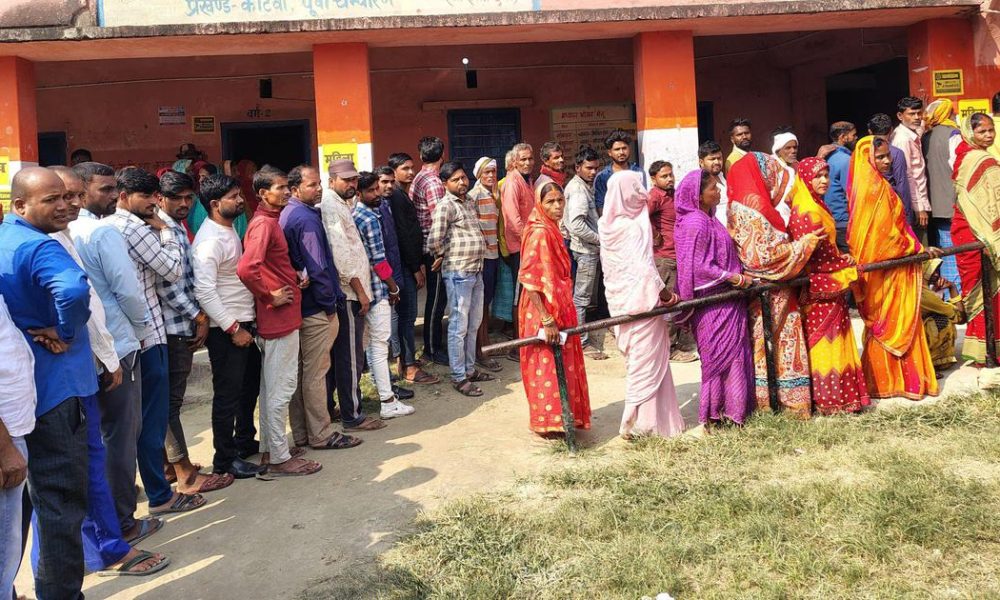
The Supreme Court of India has taken a significant step in response to concerns over electoral integrity. On Monday, the court issued notices to both the Election Commission of India and the Union Government, requesting their replies to a public interest litigation (PIL) that advocates for the implementation of biometric identification at polling stations. This innovative approach aims to mitigate electoral fraud through the use of fingerprint and iris recognition technology.
The petition was filed by Ashwini Kumar Upadhyay, a lawyer and member of the Bharatiya Janata Party (BJP), under Article 32 of the Indian Constitution. This provision allows individuals to seek the enforcement of their fundamental rights by approaching the Supreme Court directly. Upadhyay’s legal appeal is rooted in the belief that biometric verification could significantly enhance the electoral process and curb malpractices that undermine democracy.
During the initial proceedings, a bench comprising Chief Justice Surya Kant and Justice Joymalya Bagchi remarked that while the requests outlined in the petition could not be addressed for the ongoing elections, there is merit in discussing the feasibility of such measures for future parliamentary and state elections. The judges indicated that the proposal deserves careful consideration to evaluate its potential impact on India’s electoral framework.
Currently, assembly elections are underway in various states, including Assam, Kerala, and Puducherry, which held their votes in a single phase on April 9. Tamil Nadu is scheduled for its elections on April 23, while West Bengal will conduct its polls in two phases on the same date and again on April 29. The results from these elections are expected to be announced on May 4, adding urgency to the court’s deliberations on the biometric proposal.
During the hearing, Upadhyay emphasized the necessity of implementing a biometric identification system as a preventive measure against possible electoral fraud. He articulated concerns regarding the credibility of the electoral process, especially in light of previous allegations of malpractice. Although the introduction of biometric technology for the current assembly elections may not be practical, the discussion surrounding its potential adoption in the future is particularly pertinent as India seeks to enhance the integrity of its democratic processes.
Source: scroll.in







No Comment! Be the first one.