

Supreme Court Questions Election Commission’s Methods in West Bengal Voter Roll Revision
The Supreme Court of India raised concerns on Monday regarding the Election Commission’s (EC) electoral roll revision process in West Bengal, noting that it diverged from the established norms...

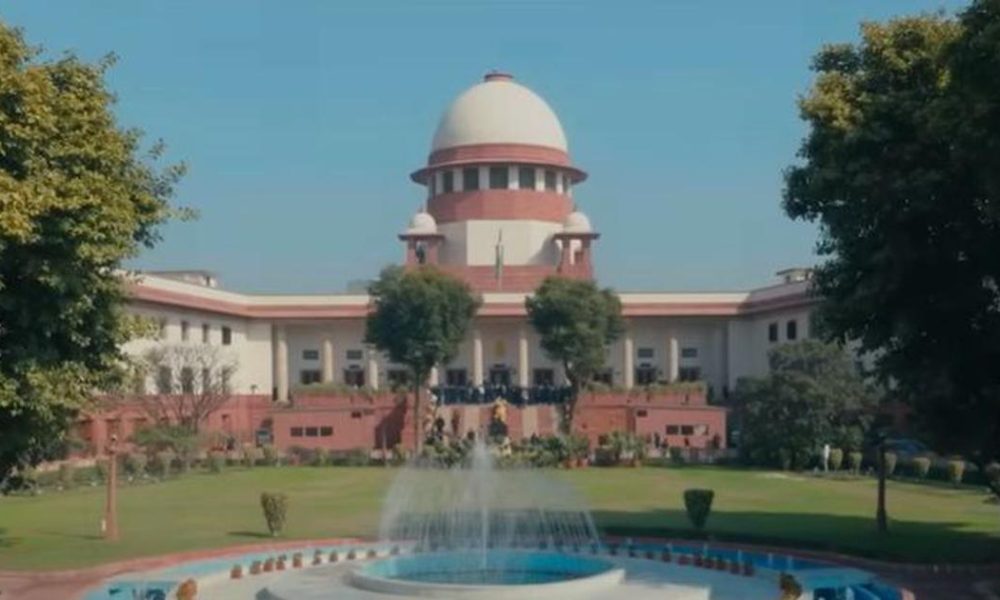
The Supreme Court of India raised concerns on Monday regarding the Election Commission’s (EC) electoral roll revision process in West Bengal, noting that it diverged from the established norms followed in other states. The apex court’s remarks came in response to the introduction of a new category termed ‘logical discrepancy’ by the EC, which the court suggested was not consistent with the special intensive revision procedures.
Justice Joymala Bagchi highlighted the implications of this deviation, emphasizing the need for a robust appellate mechanism to address grievances from individuals whose names have been deleted from the electoral rolls. Such a mechanism would ensure that voters have recourse should they feel unjustly removed from the lists. The remarks reflect a growing concern regarding electoral integrity and the rights of voters in the democratic process.
The term ‘logical discrepancies’ as defined by the EC relates to inconsistencies such as mismatches in parent names, an unusually small age gap between parents and children, and families with more than six children. This new categorization has raised eyebrows, as it contrasts sharply with the EC’s earlier stance in Bihar, where it was decided that individuals recorded in the 2002 voter rolls would not be required to resubmit documentation.
On February 28, the Election Commission released the final electoral roll for West Bengal, revealing that over 6.1 million voters had been excluded. This decision sparked further controversy, especially as around 6 million cases remain pending, classified as ‘doubtful and pending’ due to ongoing objections regarding their removal from draft rolls initially published in December. Although several supplementary lists have been issued to reinstate names, the situation has led to considerable confusion among voters and legal challenges.
The Supreme Court’s observations are part of a larger dialogue about the electoral process in India, where the integrity of the voter registration system is paramount. As the electoral landscape evolves, ensuring fairness and transparency remains crucial for maintaining public trust in democratic institutions.
Source: scroll.in






No Comment! Be the first one.