

The Double-Edged Sword of Vegan Leather: A Sustainable Choice or Another Environmental Concern?
In recent times, the term ‘vegan leather’ has gained significant traction in the Indian fashion and automobile industries, often associated with high-end products. For many consumers,...

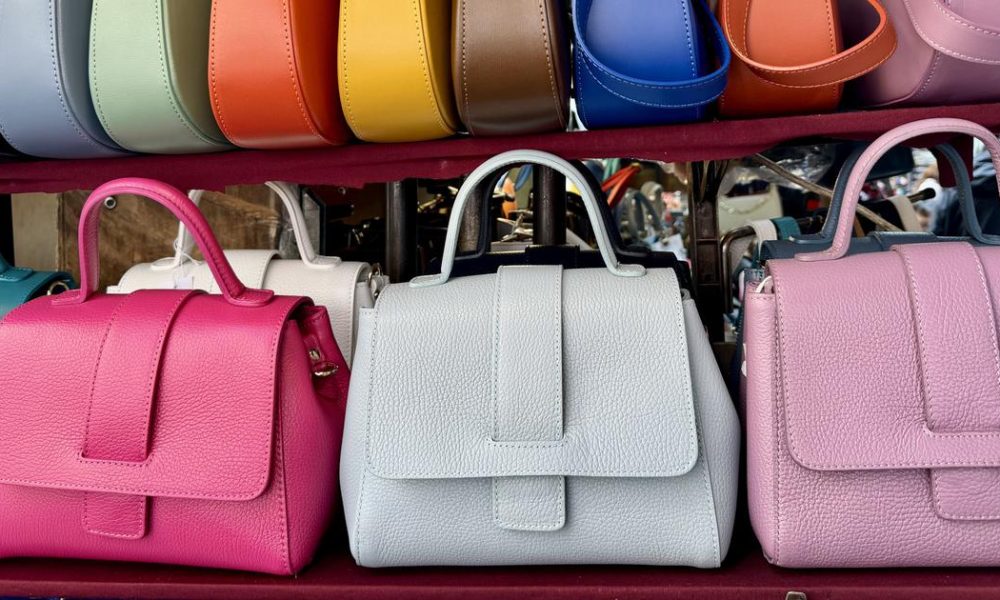
In recent times, the term ‘vegan leather’ has gained significant traction in the Indian fashion and automobile industries, often associated with high-end products. For many consumers, this alternative to traditional leather represents luxury and ethical consumption, promising the aesthetic appeal of genuine leather without the ethical dilemmas tied to animal use. Yet, the narrative surrounding vegan leather is not as clear-cut as it appears.
As more brands shift away from animal-derived materials due to growing concerns about animal welfare, climate change, and deforestation, vegan leather has emerged as a seemingly responsible option. However, the environmental implications of these products are complicated and merit scrutiny. Vegan leather is not a singular substance; it encompasses a wide array of materials, ranging from synthetic plastic coatings to natural, plant-based surfaces. This variation has led to increasing skepticism among regulators and consumers about the authenticity of sustainability claims made by manufacturers.
The appeal of vegan leather lies in its promise of a guilt-free fashion statement. However, what many do not consider is the longevity of these products and their eventual fate at the end of their life cycle. The inception of synthetic leather alternatives goes back several decades when they were commonly referred to as ‘pleather’ or vinyl. Today, advancements in technology have transformed these materials into more sophisticated versions that closely resemble real leather.
Most vegan leather products currently available in the market are primarily made from polyurethane (PU) or polyvinyl chloride (PVC), both of which are derived from petroleum. While these materials offer water resistance and are relatively easy to manufacture, their environmental footprint raises critical questions. The production of PU and PVC contributes significantly to plastic pollution, an issue that India is grappling with, especially in urban areas where waste management is a pressing challenge.
The shift towards vegan leather, therefore, presents a paradox. On one hand, it addresses the ethical concerns associated with animal leather; on the other, it perpetuates reliance on fossil fuels and contributes to pollution. As consumers become more informed and conscientious, it becomes essential for brands to transparently communicate the environmental impact of their vegan leather products. This awareness could lead to a more thoughtful approach to consumption, where shoppers consider the broader implications of their choices, ensuring that the allure of vegan leather does not overshadow the need for genuine sustainability.
Source: scroll.in







No Comment! Be the first one.