

Indian Urban Centers Face Escalating Heat Risks as Summer Heatwaves Intensify
The onset of summer in India has brought with it alarming heatwaves, arriving earlier than usual this year. By the first week of March, temperatures in Delhi soared above 35 degrees Celsius, marking...

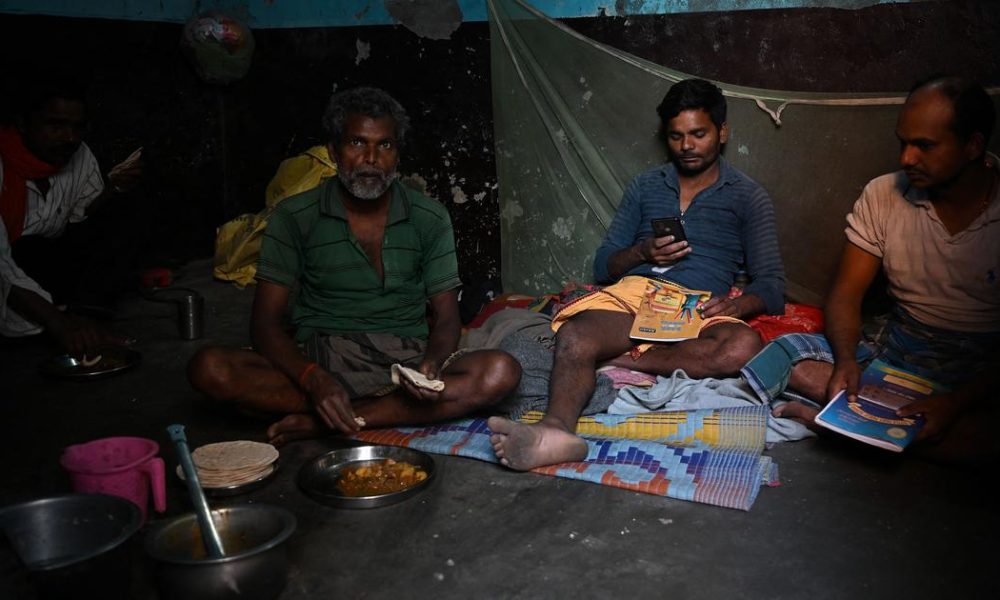
The onset of summer in India has brought with it alarming heatwaves, arriving earlier than usual this year. By the first week of March, temperatures in Delhi soared above 35 degrees Celsius, marking the earliest occurrence of such heat since 2011. Similarly, in parts of the Mumbai metropolitan area, temperatures climbed to 40 degrees Celsius, prompting authorities to issue heat advisories. This phenomenon, often termed an ‘invisible disaster,’ is increasingly impacting the lives of residents in urban India.
During a recent panel discussion at Mumbai Climate Week, experts on climate and heat stressed the urgent need to address the dangers posed by rising temperatures. They highlighted that not only is the number of heat-related fatalities on the rise, but the infrastructure of rapidly expanding cities is ill-equipped to manage the extreme heat. Vulnerable populations, including the elderly and outdoor workers, require immediate attention and support to combat the health risks associated with high temperatures.
The phenomenon known as the urban heat island effect significantly exacerbates the situation, where urban areas experience higher temperatures than their rural counterparts. Research suggests that, in the future, urban land temperatures in various Indian cities could rise by an additional 45% compared to surrounding rural areas, further intensifying the heat crisis.
The health implications of these rising temperatures are profoundly concerning. Data from the India Meteorological Department indicates that between 2000 and 2020, there were 10,545 recorded deaths attributed to heat. The National Disaster Management Authority reported an even higher figure of 17,767 fatalities during the same period, emphasizing the scale of the crisis as urban areas grapple with increasing temperatures and their consequences.
As climate change continues to exert its influence, cities like Delhi and Mumbai must take proactive measures to mitigate the impacts of extreme heat. This entails a combination of urban planning, public health initiatives, and community outreach to ensure that the most vulnerable populations are protected. The urgency of addressing this pressing issue cannot be overstated, as the health and well-being of millions depend on effective strategies to combat the escalating heat crisis in Indian cities.
Source: scroll.in







No Comment! Be the first one.