

Pandemic Orphans: Struggles of a Bihar Family Left Behind
In the waning months of 2019, 30-year-old Kumod Mandal left his home in Araria district, Bihar, seeking better opportunities in Jammu and Kashmir. Employed at a construction site, he earned a modest...

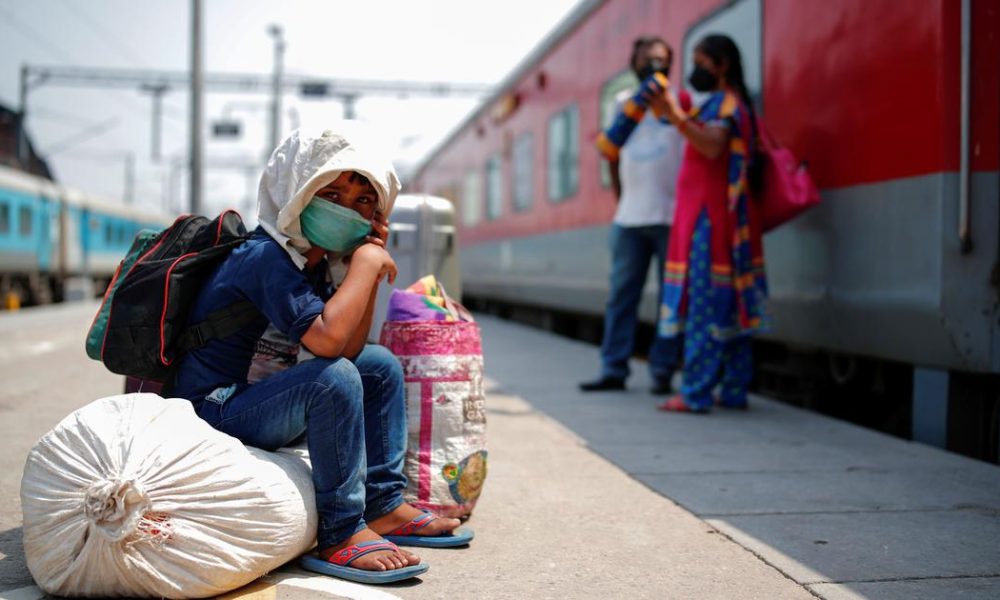
In the waning months of 2019, 30-year-old Kumod Mandal left his home in Araria district, Bihar, seeking better opportunities in Jammu and Kashmir. Employed at a construction site, he earned a modest income of Rs 12,000 per month, most of which he diligently sent back to support his wife, Babitadevi, and their three children. However, when the first wave of Covid-19 struck India in early 2020, the situation took a tragic turn. With lockdowns in place, Kumod found himself stranded, unable to return home. His wife recalls the heartbreaking moment: “The roads were closed. He died there.”
Following the untimely death of her husband, Babitadevi faced the daunting challenge of raising their children alone. She took on daily-wage labor, managing to earn between Rs 150 and Rs 200 a day. This meager income became her lifeline, sustaining her family amid challenging circumstances. Their three children, now reliant on a government school for education, are grateful for the mid-day meal scheme, which provides them with at least one meal a day. However, the eldest son, just 10 years old, expressed a poignant reality: “If Papa were alive, we might consider private school. Now, we have to make do with a government institution.”
In response to the devastating impact of the pandemic, the Bihar government rolled out a monthly aid program in 2021 aimed at supporting children who had lost their parents or a primary breadwinner to Covid-19. Eligible children, like those of Kumod Mandal, were promised a financial assistance of Rs 1,500 per month. Additionally, the central government introduced a one-time ex gratia payment of Rs 50,000 for the families of those who succumbed to the virus. However, many families, including Babitadevi’s, have struggled to avail themselves of these benefits, highlighting systemic issues in the distribution and outreach of such schemes.
As the nation continues to grapple with the consequences of the pandemic, stories like that of Kumod Mandal’s family serve as a stark reminder of the human cost of the crisis. The plight of these families underscores the urgent need for effective government intervention and support systems to ensure that no child is left behind in the wake of such tragedies. With the resilience of a mother working tirelessly to provide for her children and the dreams of young students stifled by circumstance, the narrative of hope and recovery remains intertwined with the stark realities of lost opportunities and unfulfilled potential.
Source: scroll.in







No Comment! Be the first one.