

Exploring Franco-Indian Identity Through the Lens of Monsieur Mounissamy
The tale of Monsieur Mounissamy offers a fascinating glimpse into the complex tapestry of Franco-Indian identity, particularly within the unique context of Pondicherry. If Franz Kafka had written...

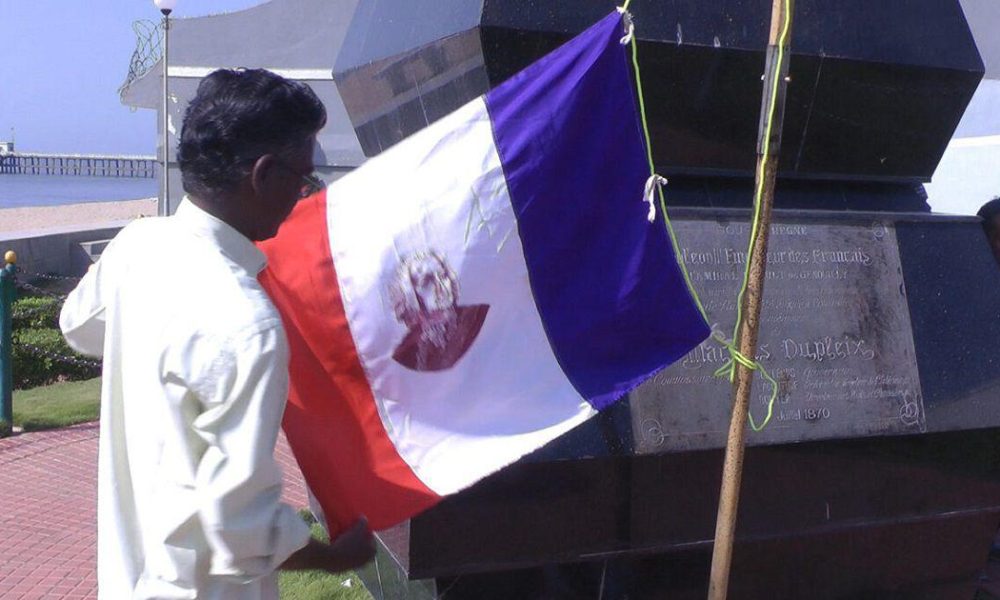
The tale of Monsieur Mounissamy offers a fascinating glimpse into the complex tapestry of Franco-Indian identity, particularly within the unique context of Pondicherry. If Franz Kafka had written about life in this former French colony, one might imagine characters waking up as chameleons, reflecting the multifaceted nature of their existence. Such is the life of many Pondicherrians who navigate the intricate dual heritage that intertwines French and Indian cultures.
Since the colonial era, a curious legal condition has left numerous residents of Pondicherry in a perplexing identity crisis. This peculiar state of being, rooted in a colonial legacy that continues to influence lives even after India gained independence in 1947, sees many individuals caught between their affiliations to two nations. Each day begins with the stirring notes of La Marseillaise and ends with the resonant melody of Jana Gana Mana. Yet, many of these Franco-Pondicherrians struggle to accurately sing either anthem, instead finding solace in local Creole tunes that embody a sense of shared humanity, belonging neither fully to France nor India.
The story of Mounissamy, as portrayed in Pankaj Rishi Kumar’s documentary, “To Die a Frenchman,” epitomizes this complex coexistence. It encapsulates the narratives of families like those described by the documentary’s subjects, where one member fluently shifts from the poetic language of Molière to the classical Tamil of Thiruvalluvar, while another speaks only Tamil, illustrating the stark contrasts within the same household. This complexity arises from historical circumstances that have shaped their identities and everyday realities.
As the challenges of integration and identity loom large, the anomalies in cultural heritage become apparent. In the streets of Pondicherry, the air is thick with the sound of both French and Tamil, creating a unique linguistic and cultural blend that is both enriching and perplexing. This duality is reflected in the lives of those who, despite their fragmented identities, find a common ground through shared experiences, often expressed through music, art, and community gatherings. The old Creole song, Marie, le pêcheur, emerges as a poignant anthem for many, resonating with its universal themes of love and loss, while remaining connected to neither France nor India.
The narrative of Monsieur Mounissamy serves as a prism through which we can better understand the intricacies of Franco-Indian identity. It raises profound questions about belonging and nationality in a world defined by borders yet transcended by cultural exchange. As Pondicherry continues to evolve, so too does the story of its people, who embody the essence of a shared cultural heritage that defies easy classification.
Source: scroll.in





No Comment! Be the first one.