

Can Delhi Protect Its Forests While Preserving Their Unique Value?
Delhi, a bustling metropolis, often finds itself at odds with its natural environment. The capital is home to several lush forests that not only contribute to the city’s ecological balance but...

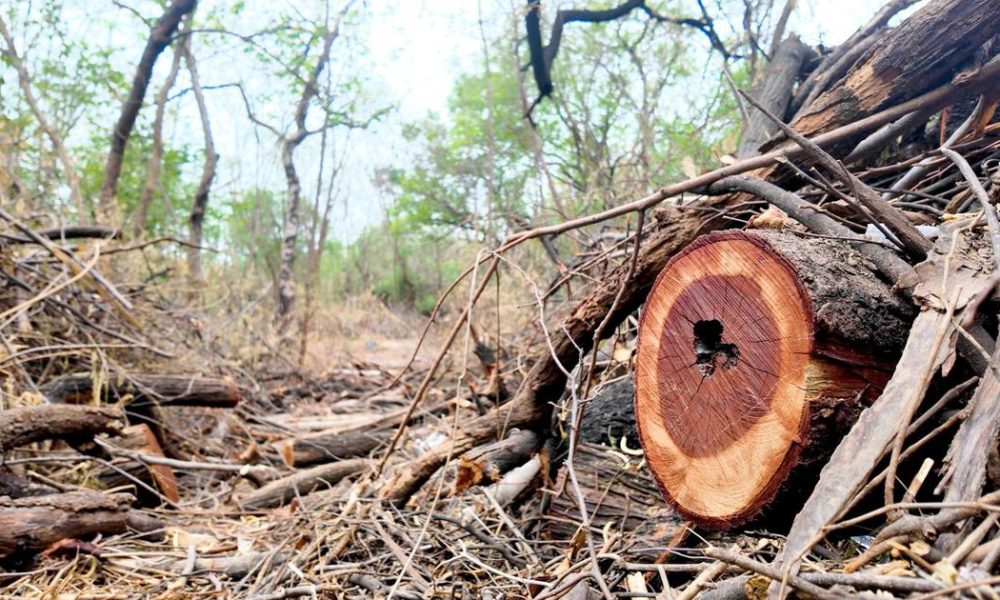
Delhi, a bustling metropolis, often finds itself at odds with its natural environment. The capital is home to several lush forests that not only contribute to the city’s ecological balance but also serve as vital green spaces for its residents. However, as urban development accelerates, the question arises: Can Delhi safeguard its forests without compromising the very attributes that make them valuable?
The forests of Delhi, including the well-known Aravalli range and the Ridge, play a crucial role in fighting urban pollution and providing a refuge for various flora and fauna. These green spaces are not merely patches of nature; they are ecosystems that support biodiversity and enhance the quality of life for millions. Yet, the ongoing pressures of urbanization threaten these vital areas, leading to discussions about the need for a balanced approach to conservation.
In recent years, initiatives aiming to protect these forests have gained momentum. The Delhi government has implemented several policies aimed at conserving green cover, including afforestation projects and stricter regulations on land use. Despite these efforts, challenges remain, particularly in managing the delicate balance between development and preservation. Urban planners and conservationists are thus faced with the daunting task of protecting these natural resources while accommodating the city’s growing population and infrastructural needs.
Critics argue that some conservation strategies may inadvertently undermine the intrinsic value of these forests. For instance, excessive regulation can limit access for local communities, who rely on these areas for recreation and traditional practices. Engaging local populations in conservation efforts is essential to ensure that these forests continue to be cherished spaces rather than neglected plots. Sustainable practices that involve community participation could be one solution to this dilemma, ensuring that developmental needs do not trample over ecological values.
Ultimately, the future of Delhi’s forests hinges on a collaborative approach that recognizes their ecological importance while also embracing the realities of urban growth. By prioritizing both conservation and development, Delhi can carve out a path that not only protects its green heritage but also enhances the livability of the city for generations to come. The challenge remains significant, but with concerted efforts from the government, local communities, and environmental organizations, Delhi can strive to become a model for urban ecological stewardship.
Source: scroll.in






No Comment! Be the first one.