

Joe Sacco’s ‘The Once and Future Riot’: A Deep Dive into the Complexities of Truth in Graphic Journalism
Renowned graphic journalist Joe Sacco’s latest work, The Once and Future Riot, departs from his previous narratives such as Palestine and Footnotes in Gaza, focusing instead on the intricate...

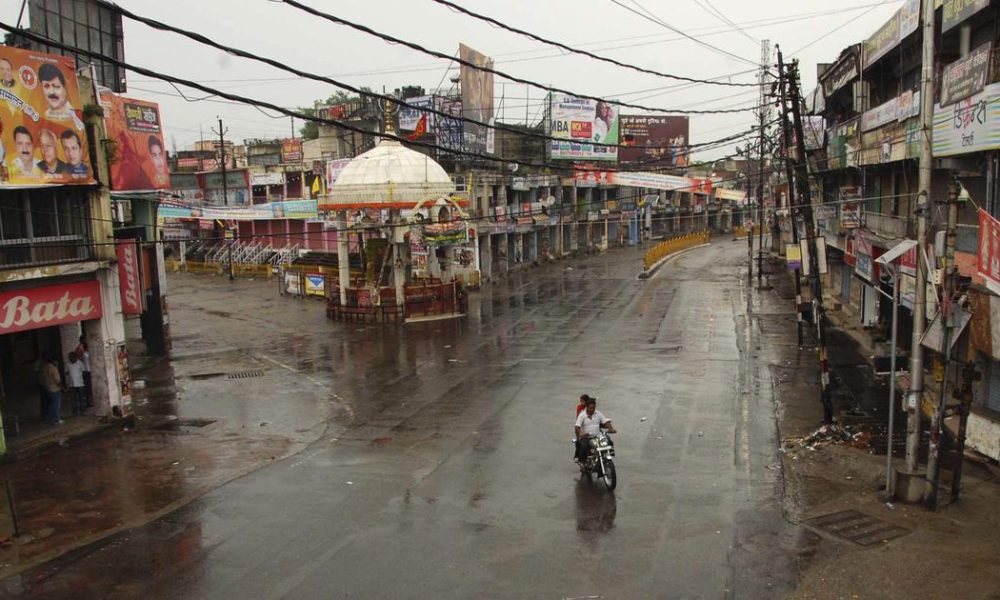
Renowned graphic journalist Joe Sacco’s latest work, The Once and Future Riot, departs from his previous narratives such as Palestine and Footnotes in Gaza, focusing instead on the intricate dynamics of communal tensions without tethering itself to a specific geography. The title hints at an exploration of conflict that transcends time, highlighting Sacco’s endeavor to unravel the intricacies of truth amidst the chaos of modern storytelling.
Throughout his career, Sacco has navigated the challenging terrain of witnessing and documenting human experiences. He has embraced the ethical dilemmas that come with portraying events that may be influenced by subjective perspectives. In the age of information overload, Sacco recognizes that pure facts often take a backseat to emotional narratives, personal beliefs, and entrenched worldviews. This understanding becomes vital as he delves into the turbulent landscape of communalism in the Indian subcontinent, an essential context for the riot he seeks to illuminate.
In The Once and Future Riot, Sacco finds himself grappling with the limitations of traditional journalistic methods as he attempts to construct a narrative around a specific incident of unrest. His immersive research, typically characterized by a blend of firsthand accounts and personal involvement as a character, faces challenges in conveying the multifaceted nature of the riot. The artwork itself reflects this complexity, with dense and chaotic layouts that mirror the tumultuous social fabric that he strives to depict.
Sacco’s narrative journey begins with an acknowledgment of communalism, a recurring theme in India’s history, which serves as a backdrop for understanding the triggers of violence. By placing emphasis on the socio-political environment leading to the riot, he aims to provide readers with a deeper comprehension of the factors at play. This approach not only enriches the narrative but also invites readers to reflect critically on the role of society in shaping conflicts.
As Sacco embarks on this storytelling venture, he raises fundamental questions about the nature of truth in journalism, particularly in an era where the lines between fact and fiction are increasingly blurred. The Once and Future Riot stands as a testament to his commitment to exploring these questions, urging readers to engage with the complexities of modern reporting and the stories that lie beneath the surface of everyday life in India.
Source: scroll.in





No Comment! Be the first one.