

Supreme Court Dismisses Defamation Case Against Rahul Gandhi Over VD Savarkar Remarks
The Supreme Court of India has recently dismissed a defamation complaint lodged against Congress leader Rahul Gandhi concerning remarks he made about V.D. Savarkar during his Bharat Jodo Yatra in...

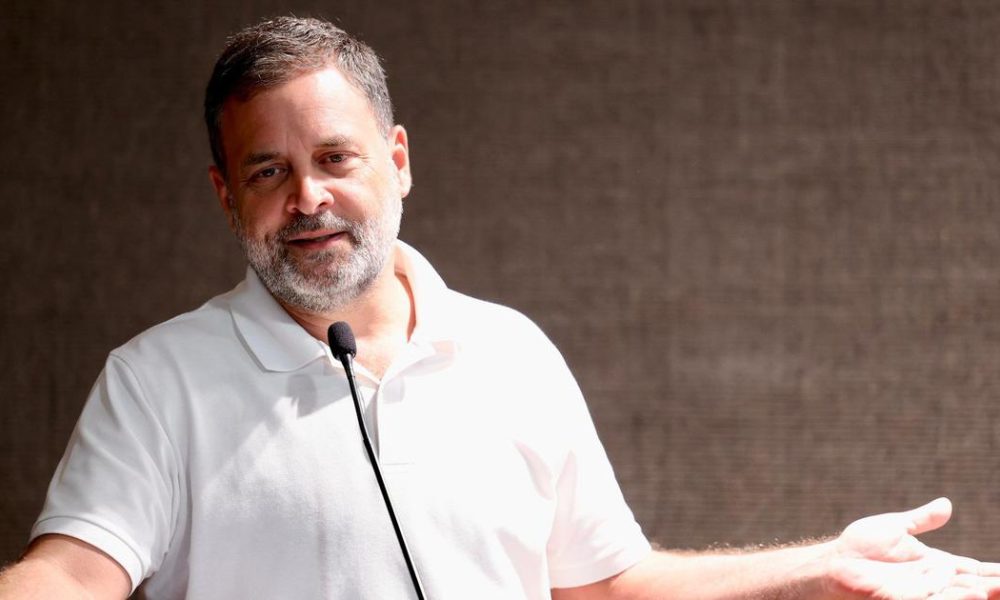
The Supreme Court of India has recently dismissed a defamation complaint lodged against Congress leader Rahul Gandhi concerning remarks he made about V.D. Savarkar during his Bharat Jodo Yatra in November 2022. The bench, composed of Justices Dipankar Datta and Sheel Nagu, ruled that the complaint lacked the necessary prosecution sanction from the Uttar Pradesh government.
The complaint, brought forth by lawyer Nripendra Pandey, accused Gandhi of referring to Savarkar as a British agent who accepted a pension from colonial rulers. This claim, made during a contentious political climate, drew significant attention, leading to a series of legal challenges. In June 2023, a magistrate’s court dismissed Pandey’s complaint, prompting him to escalate the matter to a sessions court, which subsequently remanded the case back to the magistrate’s court in Lucknow.
As the legal battle intensified, the sessions court summoned Gandhi to appear in December 2024. However, Gandhi contested this summons before the High Court, which upheld the sessions court’s decision on April 4, 2025. In response to this ongoing legal tussle, the Congress leader approached the Supreme Court, arguing against the validity of the complaints and orders issued by the lower courts.
On a ruling delivered recently, the Supreme Court highlighted the absence of any sanction for prosecution from the Uttar Pradesh government, declaring that the complaint and subsequent orders were rendered null and void. The apex court’s decision is seen as a crucial moment in safeguarding the rights of public figures to express their opinions, especially concerning historical figures like Savarkar, who remain subjects of contentious debate in Indian politics.
This ruling not only highlights the complexities surrounding defamation laws in India but also underscores the challenges faced by political leaders in voicing their perspectives within a polarized environment. The case reflects broader societal tensions regarding historical narratives and the interpretation of figures like Savarkar, whose legacy evokes strong sentiments across different sections of society.
Source: scroll.in




No Comment! Be the first one.