

Controversy at NALSAR: Bar Council’s Move Raises Questions on University Autonomy
As India prepares to celebrate its Independence Day, a recent incident at NALSAR University of Law in Hyderabad has sparked a significant debate on the autonomy of educational institutions. A...

As India prepares to celebrate its Independence Day, a recent incident at NALSAR University of Law in Hyderabad has sparked a significant debate on the autonomy of educational institutions. A statement from Justice RH Jackson of the United States, emphasizing the importance of freedom of expression, resonates strongly with the current situation in India.
Law universities, in particular, are expected to foster an environment where students can question authority and hold institutions accountable. However, this principle seems to be under threat following a controversial decision by the Bar Council of India (BCI) related to NALSAR. The turmoil began after graduating students voiced their objections to inviting Justice Surya Kant, the Chief Justice of India, as the chief guest for their upcoming convocation.
The students’ opposition stemmed from Justice Kant’s handling of a recent petition concerning alleged police violence against protesters in Delhi. On July 20, demonstrators had gathered in the capital to voice their concerns, only to be met with law enforcement’s heavy-handed response. Justice Kant, who presided over a bench that dismissed the urgent hearing of the petition, reportedly remarked, “Don’t waste our time and don’t waste your time.” This response ignited outrage among students, prompting them to take a stand against his invitation.
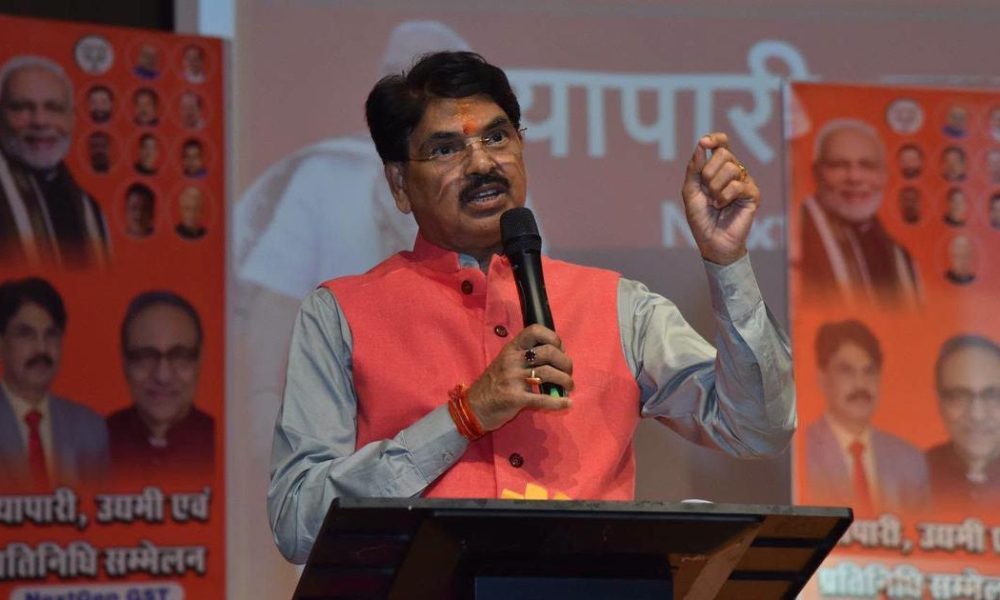
In a swift and unexpected reaction to the students’ protests, Manan Kumar Mishra, the chairperson of the Bar Council of India, directed state bar councils across the nation to refrain from enrolling any NALSAR students who are set to graduate in 2026. This move has raised alarms among legal scholars and advocates for educational freedom, as it appears to be a punitive measure aimed at stifling dissent within an academic framework.
The implications of this directive extend beyond just the students of NALSAR. It has initiated a broader conversation about the limits of institutional autonomy and the role educational establishments play in encouraging critical discourse. Many fear that this incident reflects a growing trend of governmental and institutional overreach that could undermine the very foundation of academic freedom in India.
As discussions unfold, it becomes imperative to reflect on the core values that institutions like NALSAR stand for. The ability of students to question and challenge authority is not only essential for their personal growth but is also a cornerstone of democracy. The ongoing situation at NALSAR serves as a crucial reminder of the need to protect these freedoms within the realm of education, especially in a country that prides itself on its democratic ideals.
Source: scroll.in





No Comment! Be the first one.