

Rajasthan High Court Raises Alarm Over Structural Integrity of Jodhpur Building
The Rajasthan High Court has recently initiated suo moto proceedings concerning the alarming structural condition of its Jodhpur headquarters, a facility that was inaugurated merely four years ago....

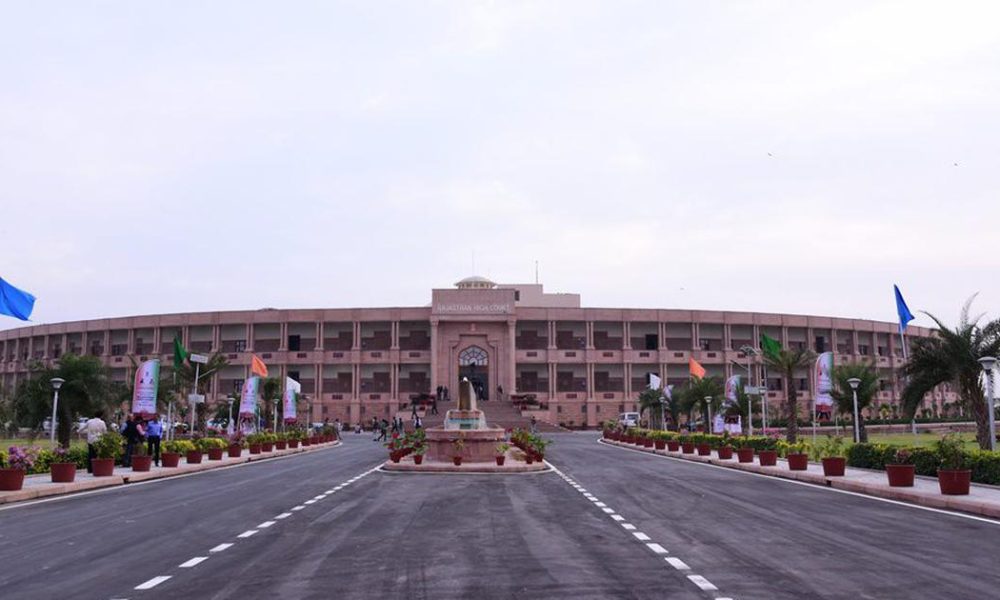
The Rajasthan High Court has recently initiated suo moto proceedings concerning the alarming structural condition of its Jodhpur headquarters, a facility that was inaugurated merely four years ago. The pressing issue was brought to light following an evaluation from the Indian Institute of Technology, Bombay, which indicated that the central dome of the building, towering at 21 meters, is at risk of imminent collapse.
Constructed at a hefty cost of Rs 316 crore, the building’s foundation stone was ceremoniously laid on April 20, 2007, with construction officially beginning in 2011. By the end of 2013, the structural framework was completed. However, concerns regarding the integrity of the structure began to surface within a mere few years of its opening. A division bench comprising Justices Pushpendra Singh Bhati and Praveer Bhatnagar expressed grave concern over the potential hazards posed by the dome, which they stated could fall at any moment, endangering the lives of those working and visiting the court.
Further compounding the issue, a portion of the dome collapsed in April 2023. Reports of additional structural failures, including incidents of false ceilings and plaster falling within courtrooms, were noted in subsequent years, specifically in 2024 and 2025. These alarming reports were accompanied by issues such as water seepage, a dysfunctional drainage system, corrosion of the reinforcement steel, and visible cracks in several structural components.
The court’s proactive approach in addressing these concerns underscores the seriousness of the situation. The Justices highlighted the urgency for remedial measures, expressing their intent to ensure the safety of all personnel and court visitors. The High Court’s decision to take cognizance of this matter reflects a growing trend in Indian judiciary institutions taking responsibility for their infrastructure, especially in light of increasing public scrutiny and expectations regarding safety and maintenance.
This situation also raises broader questions about the construction standards and oversight practices employed in public infrastructure projects across India. With the government investing substantial resources in such developments, the necessity for stringent quality checks and regular maintenance cannot be overstated. The Rajasthan High Court’s current predicament serves as a cautionary tale for other institutions, urging a reevaluation of building practices to prevent similar occurrences in the future.
Source: scroll.in





No Comment! Be the first one.