

Exploring the Enigma: Revisiting the Timeless Mystery of ‘Picnic at Hanging Rock’
In a captivating twist of fate, the classic Australian novel ‘Picnic at Hanging Rock’ has resurfaced in popular culture, drawing attention once again to its haunting narrative. This 1967...

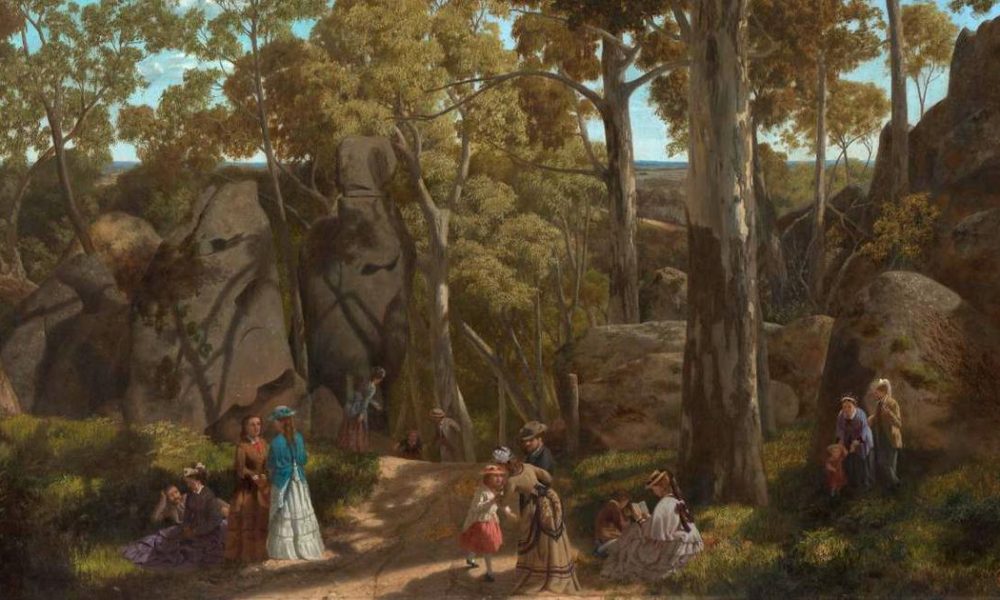
In a captivating twist of fate, the classic Australian novel ‘Picnic at Hanging Rock’ has resurfaced in popular culture, drawing attention once again to its haunting narrative. This 1967 literary masterpiece by Joan Lindsay weaves a mysterious tale about the disappearance of three schoolgirls and their governess during a picnic, leaving readers grappling with the distinction between reality and fiction.
The story unfolds on Valentine’s Day in 1900 at the prestigious Appleyard College, an all-girls boarding school nestled in the picturesque Australian countryside. As the excitement of the day fills the air, each girl receives romantic cards, adding an air of festivity to the otherwise mundane school environment. The setting is idyllic, a bright summer day that invites exploration, and the girls, brimming with youthful exuberance, set off for a picnic at the enigmatic Hanging Rock, a site steeped in both natural beauty and Indigenous cultural significance.
Yet, the tranquility of the day is shattered when the girls vanish without a trace. The narrative employs a unique structure, incorporating letters, newspaper articles, and police diaries, effectively engaging the reader in a quest for answers. This innovative storytelling technique challenges the audience to form their conclusions about the events, blurring the line between factual history and creative fiction. It raises profound questions about the nature of truth and the mysteries that lie beneath the surface of everyday life.
As the story unfolds, the absence of the girls becomes a catalyst for exploring themes of loss, longing, and the unknowable. The hauntingly beautiful landscape of Hanging Rock serves as a character in itself, representing both the allure and danger of the unknown. The depiction of the Indigenous connection to the land adds another layer of depth, reminding readers of the rich cultural history that predates colonial narratives.
For Indian audiences, ‘Picnic at Hanging Rock’ can be likened to the timeless allure of folklore and fables that often blur the lines between reality and myth. Much like the tales passed down through generations in India, this novel evokes a sense of nostalgia and invites readers to reflect upon their own cultural narratives of mystery and the inexplicable. As we delve into this fascinating storyline, we are reminded of the universal themes of curiosity and the search for meaning that resonate across cultures.
Source: scroll.in







No Comment! Be the first one.