

Preserving Heritage: How Festivals Sustain Adivasi Agriculture in Koraput
In the lush hills of Koraput, Odisha, the arrival of the October-November harvest season is marked by a unique tradition. The first pot of freshly harvested rice is not consumed immediately; instead,...

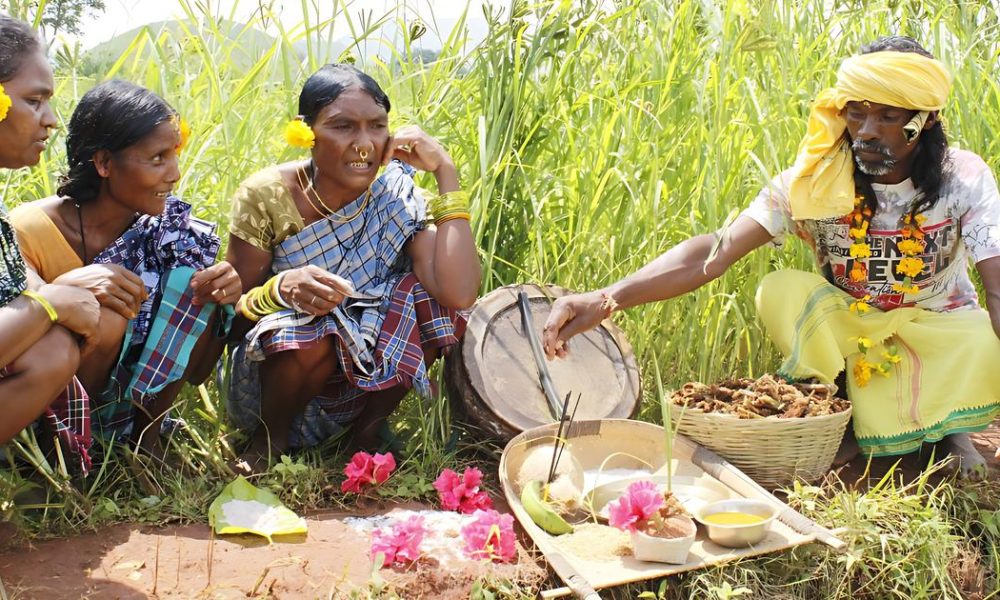
In the lush hills of Koraput, Odisha, the arrival of the October-November harvest season is marked by a unique tradition. The first pot of freshly harvested rice is not consumed immediately; instead, a portion is ceremonially offered to the village deity. This ritual, deeply rooted in the community’s agricultural practices, highlights the intrinsic relationship between farming and spirituality among the Adivasi populations of the region.
Koraput is home to a variety of indigenous communities, including the Paroja, Gadaba, Kondh, Bhumia, Bhottada, Durua, and Saura. These groups celebrate each phase of the agricultural cycle through vibrant festivals that incorporate prayers and rituals. As the farming season approaches, families engage in ceremonies that honor essential farming tools such as wooden ploughs and cattle, while also seeking blessings for a bountiful harvest.
The region is recognized as one of India’s richest agricultural biodiversity hotspots, hosting a remarkable array of local seed varieties. Farmers cultivate numerous indigenous crops, ranging from traditional paddy and millet to various legumes and wild edibles. This diversity is a strategic choice, as it mitigates risks associated with climate variations and promotes sustainability. Unlike conventional monoculture practices, the Adivasi farmers of Koraput adopt a mixed cropping approach, which not only supports soil health but also ensures a steady food supply throughout the year.
One of the standout strategies employed by Koraput’s farmers is the cultivation of rice varieties that mature at different times. This staggered harvesting technique is particularly beneficial in regions where rainfall patterns can be unpredictable. By diversifying their crops, farmers can reduce the impact of delayed rains and ensure a more reliable harvest.
While these indigenous crops are cherished for their nutritional value and unique flavors, they also carry significant cultural importance. The festivals associated with agriculture serve as a reminder of the Adivasi community’s profound connection to their land and its resources. Through these rituals and celebrations, the people of Koraput not only preserve their agricultural practices but also safeguard their rich culinary heritage for future generations.
Source: scroll.in






No Comment! Be the first one.