

Judicial Panel Claims Sambhal Violence Was Pre-Planned, Points to Political Figures
A recent report from a judicial commission investigating the violent clashes in Sambhal, Uttar Pradesh, in November 2024, has ignited controversy by alleging that the violence was premeditated. The...

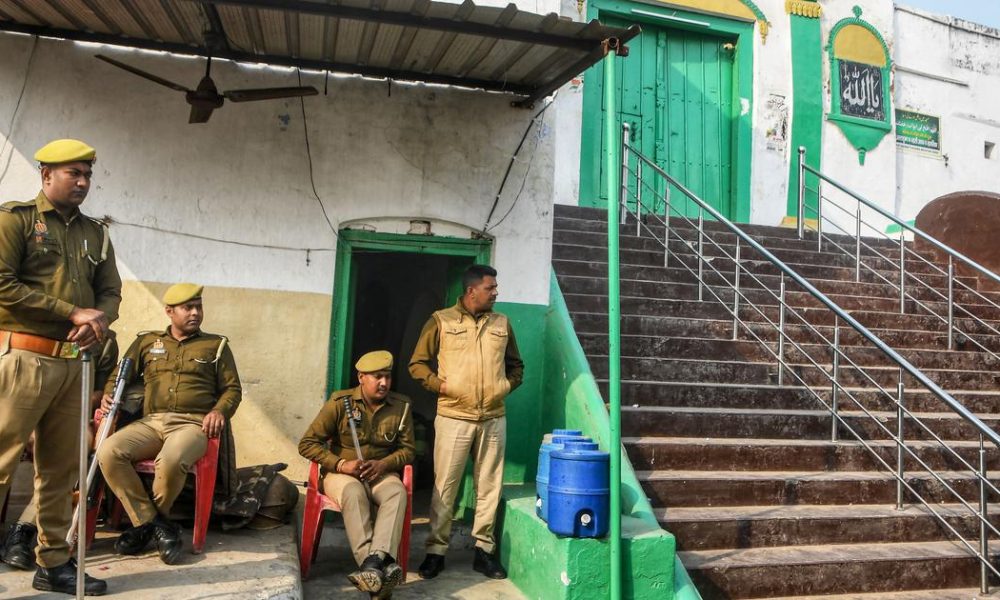
A recent report from a judicial commission investigating the violent clashes in Sambhal, Uttar Pradesh, in November 2024, has ignited controversy by alleging that the violence was premeditated. The commission’s findings implicate prominent political figures, including Samajwadi Party Member of Parliament Zia-ur-Rahman Barq and the son of local MLA Iqbal Mehmood, Suhail Iqbal, along with members of the management committee of the Shahi Jama Masjid.
The three-member panel, led by former Allahabad High Court judge Justice Devendra Kumar Arora, was established to delve into the events surrounding the violence, which resulted in five fatalities. The report was presented in the Uttar Pradesh Assembly on Wednesday after being submitted in August 2025. Local accounts suggest that four of the deceased were victims of police gunfire during the unrest.
The clashes erupted on November 24, 2024, when a group of Muslims protested against a survey of the Shahi Jama Masjid in Chandausi town. This survey stemmed from a legal case asserting that the mosque, built in 1526 by Mughal Emperor Babur, was erected on the site of an ancient Hindu temple. The situation escalated rapidly, leading to widespread violence and loss of life.
According to the commission’s report, the intimidating circumstances leading up to the clash reveal that the gathering was orchestrated and not a spontaneous outburst. They contend that the violence was primarily incited by the actions and influence of Barq, Iqbal, and others connected to the mosque’s management. The panel’s conclusions suggest an alarming level of premeditation, raising concerns about the interplay between politics and communal tensions in the region.
As the implications of the report reverberate throughout the political landscape, it raises pressing questions regarding accountability and the role of political figures in exacerbating communal strife. The investigation’s findings may have significant ramifications for the involved parties and could reshape the narrative surrounding communal relations in Uttar Pradesh as the state prepares for the upcoming elections.
Source: scroll.in

No Comment! Be the first one.