

The Transformation of Sawan: From Agricultural Tradition to Religious Observance
The month of Sawan, traditionally celebrated as a time of joy and agricultural prosperity, has undergone a significant transformation in contemporary India. Once synonymous with the arrival of...


The month of Sawan, traditionally celebrated as a time of joy and agricultural prosperity, has undergone a significant transformation in contemporary India. Once synonymous with the arrival of monsoons, this month brought forth a sense of relief, hope, and renewal for farmers and communities alike. However, the cultural significance of Sawan appears to be overshadowed by a shift towards a more formalized Hindutva calendar, which rebrands the month as Shravan.
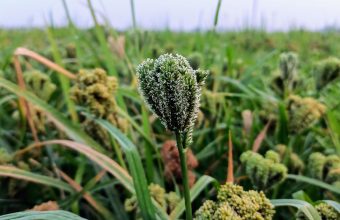
In the past, Sawan was associated with vibrant festivities where swings adorned orchards, and the air resonated with melodies of the local kajri folk songs and Raag Malhar. Farmers eagerly anticipated the rains, which were integral for the cultivation of crops such as paddy, maize, and cotton. For them, Sawan marked not just a season but a crucial turning point in their agricultural calendars, bridging their livelihood with the rhythms of nature.
The significance of this month transcends mere agricultural concerns. Sawan is also a time for various cultural festivities, including Teej and Nag Panchami, which are celebrated with much fervor. These occasions intertwine the agricultural practices with the spiritual calendar, highlighting a rich tapestry of traditions that reflect the deep-rooted connection between nature and culture in rural India.
Nevertheless, this authentic connection appears to be waning as the term Sawan is increasingly replaced by the more religiously charged term Shravan. The new narrative surrounding Shravan often emphasizes adjectives such as ‘holy,’ ‘sacred,’ and ‘auspicious,’ thereby transforming a month once cherished for its simplicity and agricultural importance into a period laden with religious connotations. This shift raises questions about the inclusivity of local traditions in the broader discourse and whether the essence of Sawan can be preserved in the face of such changes.
As the cultural landscape evolves, it becomes imperative to recognize the implications of renaming and recontextualizing significant periods like Sawan. The agricultural community continues to honor the month’s original significance, clinging to its roots while navigating through the complexities of modern religious and cultural narratives. For many, Sawan is still about the changing seasons, the anticipation of rains, and the hope of a bountiful harvest, elements that should be celebrated and preserved in their truest form.
Source: scroll.in





No Comment! Be the first one.