

Emerging Iran-Pakistan Alliance: A New Dynamics in South Asia
Last month marked a significant moment in regional geopolitics with the burial of Iran’s Supreme Leader, Ayatollah Ali Khamenei, in his hometown of Mashhad. The event was attended by various...

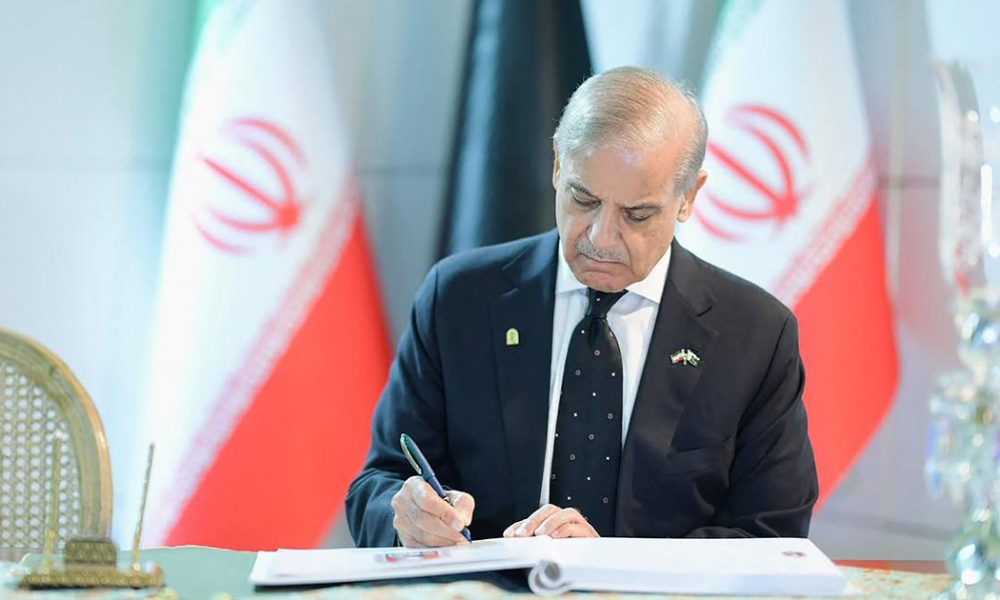
Last month marked a significant moment in regional geopolitics with the burial of Iran’s Supreme Leader, Ayatollah Ali Khamenei, in his hometown of Mashhad. The event was attended by various international delegations, with a discernible focus on who represented their countries—an indicator of potential alliances. Notably, only Iraq and Pakistan sent their prime ministers, underscoring an evolving ‘Axis of Sympathy’ between Tehran and Islamabad that could alter the power dynamics in South-West Asia.
This shift presents a noteworthy deviation from traditional geopolitical alignments in the region. Historically viewed through the lens of simplistic binaries, the interactions between countries in the Middle East and South Asia are now becoming more complex. For India, which has long been the dominant power in South Asia and a rival of Pakistan, this development poses a challenge that could reshape its foreign policy and strategic calculations.
India’s absence at the highest levels during Khamenei’s funeral, particularly Prime Minister Narendra Modi’s non-attendance, raises questions about New Delhi’s stance on Iran. Modi’s notable silence regarding Khamenei’s assassination in a US-Israeli airstrike earlier this year further complicates the narrative. While Indian media, such as WIONews, has attempted to portray a positive relationship between Iran and India, suggesting that Iran appreciates India’s participation, the reality may point to a deeper geopolitical shift that cannot be ignored.
The burgeoning Iran-Pakistan relationship, viewed in conjunction with the ongoing US-Israeli conflict, suggests that these nations may be positioning themselves against a backdrop of shifting allegiances. As Iran and Pakistan navigate this new alliance, India will need to reassess its diplomatic strategies in light of these developments. The situation underscores the necessity for India to engage more proactively with regional and international partners to safeguard its interests in a rapidly evolving landscape.
In conclusion, the implications of the Iran-Pakistan ‘Axis of Sympathy’ could be far-reaching, potentially influencing trade, security, and diplomatic relations in South Asia. As the geopolitical landscape continues to evolve, it will be crucial for India to stay vigilant and adaptable in order to maintain its position as a key player in the region.
Source: scroll.in




No Comment! Be the first one.