

Supreme Court Clarifies Reporting Rights for Recognized Media Outlets on Court Proceedings
The Supreme Court of India has issued a significant clarification regarding its interim order that restricts the sharing of audio and video recordings of court sessions. As per the latest...

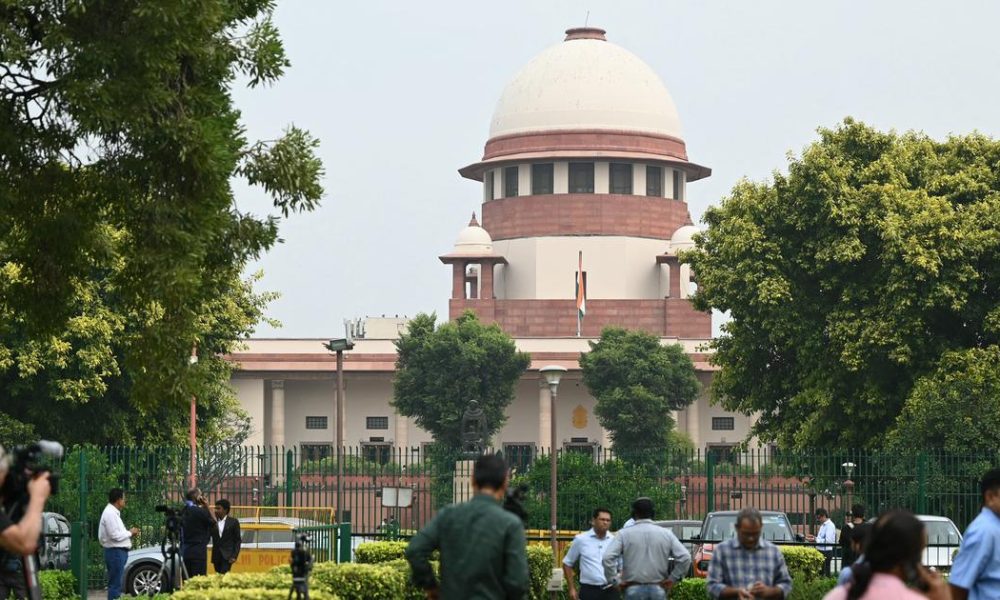
The Supreme Court of India has issued a significant clarification regarding its interim order that restricts the sharing of audio and video recordings of court sessions. As per the latest interpretation, recognized media organizations are permitted to report on court hearings, provided they do not disseminate or share audio and video clips from those proceedings without prior consent from the court. This clarification aims to balance the right to information and the integrity of judicial processes.
The initial interim order was released on July 24, 2023, which aimed to prevent the unauthorized extraction, editing, and monetization of audio and video recordings of judicial proceedings across social media and digital platforms. The court emphasized that while there are restrictions in place, these should not be interpreted as an outright ban on reporting court activities. Instead, the prohibition specifically pertains to the use of audio and video content captured during hearings.
This ruling follows a public interest litigation filed by a journalist who sought clearer guidelines on how audiovisual materials from court proceedings should be handled, specifically concerning clipping, editing, and circulation. The petition highlights concerns that the selective and often out-of-context sharing of courtroom exchanges can undermine the dignity of the judicial system and damage public trust in it. The court’s recent clarification aims to address these issues while ensuring that the media can perform its critical role in informing the public.
Chief Justice Surya Kant, leading the bench, articulated that the court’s intent is not to stifle freedom of press but to safeguard the sanctity of the judicial process. The court’s nuanced approach underscores the importance of responsible reporting that does not distort or misrepresent the realities of courtroom proceedings. By allowing recognized news outlets to cover court hearings while restricting the sharing of audio-visual clips, the Supreme Court is attempting to maintain a balance between transparency and respect for legal proceedings.
As the discussions surrounding media access and judicial transparency continue, this ruling serves as a vital precedent for how legal proceedings are reported in the digital age. It also points towards the need for ongoing dialogue between the judiciary and media practitioners to establish guidelines that protect the interests of both the public and the justice system.
Source: scroll.in





No Comment! Be the first one.