

Vallabhbhai Patel’s Commitment to Uplifting the Untouchables Inspired by Gandhi
Vallabhbhai Patel, a key figure in India’s freedom struggle, often expressed his discontent with British colonial tactics, particularly in the wake of Mahatma Gandhi’s arrest. In his...

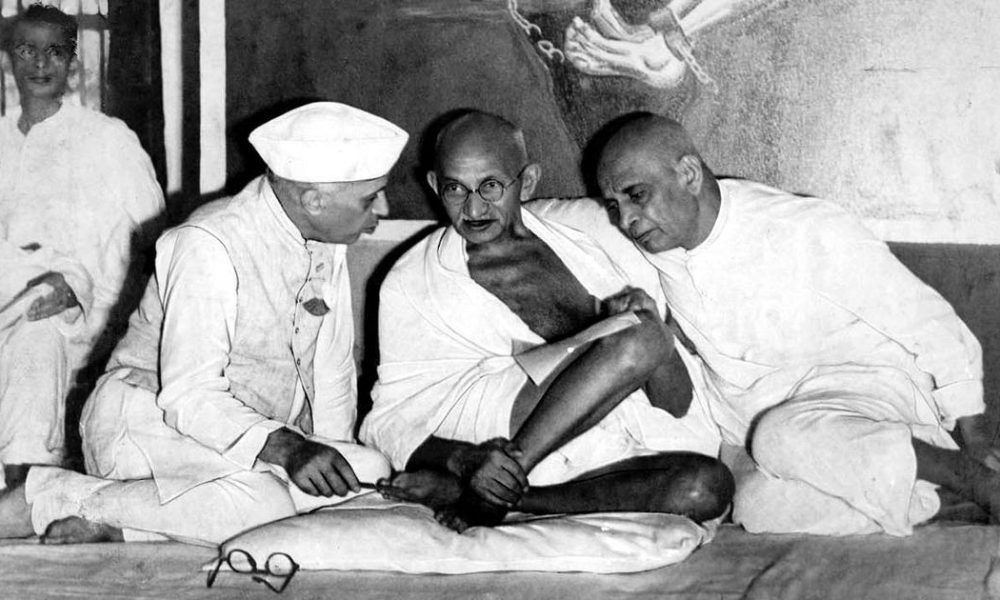
Vallabhbhai Patel, a key figure in India’s freedom struggle, often expressed his discontent with British colonial tactics, particularly in the wake of Mahatma Gandhi’s arrest. In his view, the British were engaging in behavior unbecoming of a true warrior. He reflected on the honor code among Rajputs, suggesting that if one warrior refused to fight, the other would similarly hold back. Yet, the British were not bound by such chivalry, and their aggressive actions against Gandhi were indicative of their oppressive rule.
Patel held the firm belief that Gandhi’s imprisonment would not be long-lived. He referred to Gandhi as India’s “Sardar,” a title that would later come to symbolize Patel himself as well. In his writings, Patel lamented the sacrifices made by the Indian people, likening them to offerings before a fierce lion, but he felt that the British would find it challenging to manage the powerful spirit embodied by Gandhi. He foresaw that the Mahatma’s unwavering moral strength could soften the fierce demeanor of their oppressors.
However, the initial shock of Gandhi’s arrest ignited a transformative resolve within Patel. Rather than succumb to despair, he chose to step into a leadership role in Gujarat. This decision marked a pivotal moment in his political career, reflecting a mix of realism and self-confidence. In an article published in the journal Navajivan, Patel articulated his vision, presenting himself as a dedicated craftsman determined to overcome his own limitations to effect change.
Patel’s drive to uplift the ‘untouchables,’ a term used for those marginalized within the caste system, became a significant focus during his leadership. He recognized the importance of inclusive progress for India’s socio-political fabric. Inspired by Gandhi’s philosophy of non-violence and equality, Patel worked tirelessly to integrate these principles into the broader struggle for independence, advocating for the rights of those who had been historically oppressed.
The legacy of Vallabhbhai Patel is not merely that of a freedom fighter but also as a champion for social justice and equality. His efforts to bring recognition and dignity to the ‘untouchables’ demonstrated his commitment to a more equitable society. As India commemorates its leaders and their contributions, Patel’s role in championing the rights of the marginalized remains a crucial part of the narrative of India’s fight for independence.
Source: scroll.in





No Comment! Be the first one.