

Ladakh Moves Towards Elected Governance: A Step Towards Constitutional Safeguards
As the nation focused on the hunger strike of Ladakhi activist Sonam Wangchuk in Delhi, there was notable progress regarding the long-standing demands for constitutional protections in the Union...

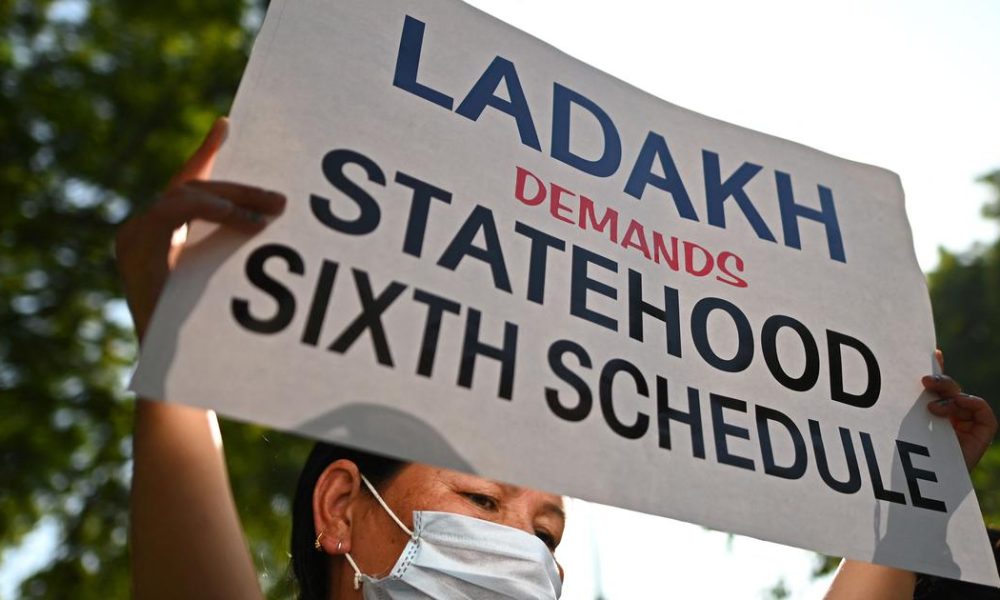
As the nation focused on the hunger strike of Ladakhi activist Sonam Wangchuk in Delhi, there was notable progress regarding the long-standing demands for constitutional protections in the Union Territory of Ladakh. Activists from the region have been advocating for statehood and the implementation of the Sixth Schedule, which would grant significant autonomy to Ladakhis over key governance matters. In a meeting held in late May between Central government officials and representatives of the Ladakh movement, a tentative breakthrough was achieved, as confirmed in official minutes released in July.
The primary outcome of the meeting is the establishment of an elected governance body at the Union Territory level, designed to function with executive, financial, and legislative powers. While the desire for full statehood remains a long-term aspiration, this new governance model represents a crucial first step towards addressing the administrative needs and aspirations of the Ladakhi people. The elected body is expected to play a significant role in local governance, including supervision of civil servants and managing their Annual Performance Appraisal Reports, which are critical for career advancement within the bureaucracy.
Although the specifics of the governance structure remain under discussion, the agreement marks a significant shift in the approach to Ladakh’s political future. The elected body aims to empower local leaders and provide a platform for community representation, potentially transforming the governance landscape in the region. Ladakhis have long expressed their desire for greater self-determination, particularly in the wake of its reorganization as a Union Territory in 2019, which led to concerns over the loss of local autonomy.
The push for constitutional safeguards is rooted in the unique cultural and environmental challenges faced by Ladakh. As a region with distinct cultural identity and ecological fragility, the need for self-governance is paramount to ensure that decisions affecting Ladakh’s future are made by its residents. This new governance model could pave the way for a more tailored approach to development, allowing for policies that respect Ladakh’s unique circumstances and prioritize the well-being of its communities.
As discussions progress, the focus remains on how this governance body will function and the extent of its powers. The Ladakhi community, supported by activists, remains vigilant and engaged, hoping that this initiative will lead to a more representative and accountable administration in the region. The proposed changes signal a hopeful turn in the ongoing dialogue surrounding Ladakh’s political status and the rights of its people to shape their own governance.
Source: scroll.in






No Comment! Be the first one.