

Exploring the Sensual Legacy of Paan: The Fascinating Story of Erotic Nutcutters in India
In a captivating glimpse into India’s cultural history, the presence of erotic nutcutters, especially in exhibitions like the one at the Raja Dinkar Kelkar Museum in Pune, serves as a unique...

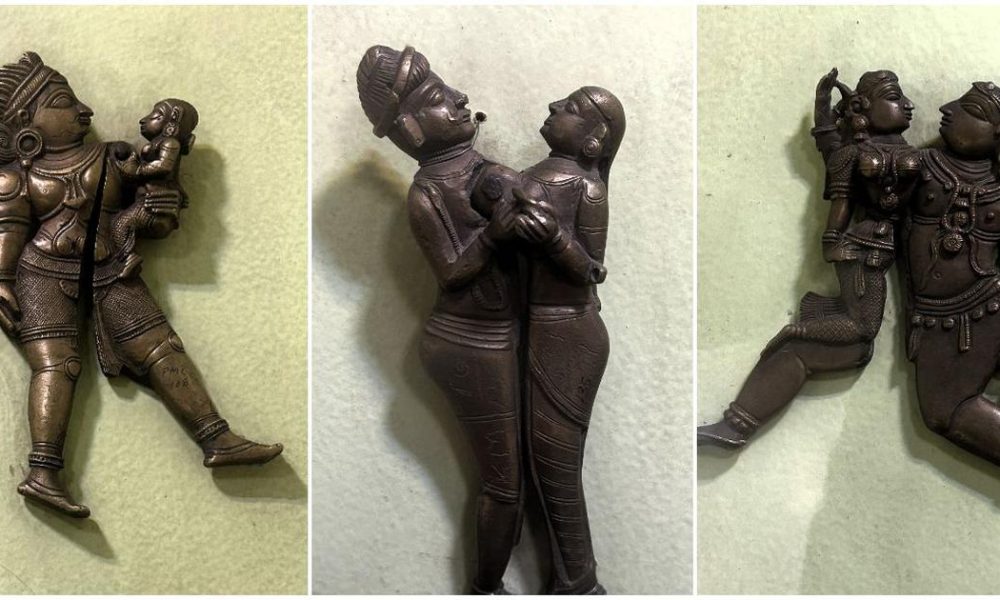
In a captivating glimpse into India’s cultural history, the presence of erotic nutcutters, especially in exhibitions like the one at the Raja Dinkar Kelkar Museum in Pune, serves as a unique window into how sensuality was expressed in past centuries. Known as ‘adkitta’ in Marathi, ‘sudi’ in Gujarati, and ‘sarota’ in Hindi, these intriguing objects reveal much about the societal norms surrounding betel chewing, a practice deeply embedded in various Indian traditions.
The Raja Dinkar Kelkar Museum, recognized as one of the largest repositories of everyday artifacts spanning from early to modern periods in western and southern India, has been preserving these nutcutters since the 1960s. Nestled in a traditional Puneri wada in an old peth neighborhood, the museum boasts a remarkable curation that includes both conventional and openly erotic designs. While many of the nutcutters feature animal motifs or elegant geometric patterns, the collection also showcases a provocative array of pieces that depict couples in intimate scenarios. Crafted from brass and silver in the 18th and 19th centuries, these nutcutters from Maharashtra, Gujarat, and Rajasthan offer not just aesthetic pleasure but also a commentary on the cultural attitudes towards love and intimacy.
The erotic nature of these nutcutters is not merely for shock value; they are part of a rich tapestry of erotic imagery associated with the act of chewing areca nuts and betel leaves. Betel chewing has long been a ritualistic and social practice across India, often linked with hospitality, celebration, and even seduction. By examining these artworks, one can glean insights into how the act of sharing paan was intricately tied to romantic and sensual expressions. The nutcutters serve as artifacts that bridge the mundane and the erotic, inviting onlookers to reconsider the historical significance of these everyday objects.
As visitors explore the Kelkar Museum’s collection, they are encouraged to reflect on the duality of these artifacts: while they are functional tools used in the preparation of betel, they also embody a cultural narrative that celebrates love, intimacy, and the erotic. The presence of these nutcutters in a museum setting elevates them from mere curiosities to significant cultural symbols that highlight the complex interplay between art and daily life in historical India.
This fascinating intersection of art, culture, and sensuality not only enriches our understanding of historical practices but also prompts a deeper appreciation for the nuanced ways in which love and desire have been expressed throughout Indian history. As these stories come to light, they challenge contemporary perspectives and invite modern audiences to engage with India’s rich cultural heritage in new and meaningful ways.
Source: scroll.in






No Comment! Be the first one.