

The World’s Largest Living Organism Isn’t a Whale—It’s a Giant Fungus!
Many people believe the blue whale is the largest living organism on Earth. Surprisingly, the title actually belongs to a giant fungus called Armillaria ostoyae, located beneath the soil of the...

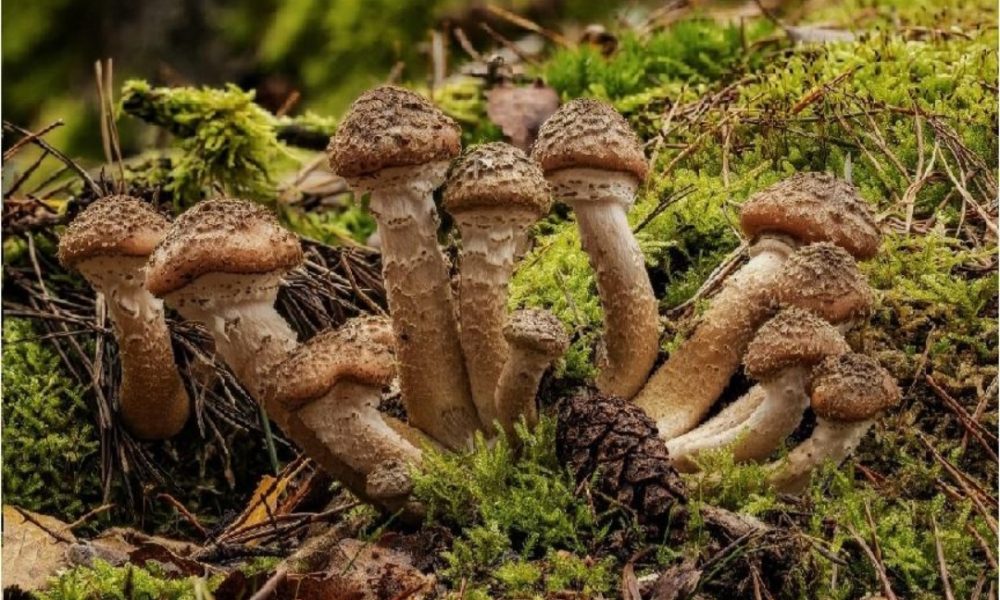
Many people believe the blue whale is the largest living organism on Earth. Surprisingly, the title actually belongs to a giant fungus called Armillaria ostoyae, located beneath the soil of the Malheur National Forest in Oregon, USA.
The fungus spreads across nearly 8.8 square kilometres, covering an area roughly equal to more than 1,200 football fields. Scientists estimate that it is over 2,000 years old, with some studies suggesting it may be even older.
The mushrooms visible above the ground are only the fruiting bodies of this organism. Its real body consists of an enormous underground network of thread-like structures called mycelium, making it one continuous living organism.
Researchers say the fungus plays an important role in forest ecosystems by decomposing dead wood and recycling nutrients, although it can also infect weakened trees.
अधिकांश लोग मानते हैं कि पृथ्वी का सबसे बड़ा जीवित जीव ब्लू व्हेल है। लेकिन वास्तव में यह रिकॉर्ड Armillaria ostoyae नामक एक विशाल फंगस के नाम है, जो अमेरिका के ओरेगन राज्य के Malheur National Forest की ज़मीन के नीचे फैला हुआ है।
यह फंगस लगभग 8.8 वर्ग किलोमीटर क्षेत्र में फैला है, जो 1,200 से अधिक फुटबॉल मैदानों के बराबर है। वैज्ञानिकों का अनुमान है कि इसकी आयु 2,000 वर्ष से अधिक है, जबकि कुछ शोध इसे इससे भी अधिक पुराना मानते हैं।
ज़मीन के ऊपर दिखाई देने वाले छोटे-छोटे मशरूम इस विशाल जीव का केवल एक छोटा हिस्सा हैं। इसका वास्तविक शरीर मिट्टी के नीचे फैले माइसीलियम नामक धागेनुमा जाल से बना है।
वैज्ञानिकों के अनुसार यह फंगस जंगलों में मृत लकड़ियों को विघटित कर पोषक तत्वों का पुनर्चक्रण करता है, हालांकि यह कमजोर पेड़ों को संक्रमित भी कर सकता है।






No Comment! Be the first one.