

West Bengal’s Midday Meal Revamp: Eggs Excluded Amidst Nutritional Concerns
The decision to eliminate eggs from the school midday meal scheme in West Bengal has reignited a contentious debate over dietary choices, reflecting deeper ideological shifts in the state’s...

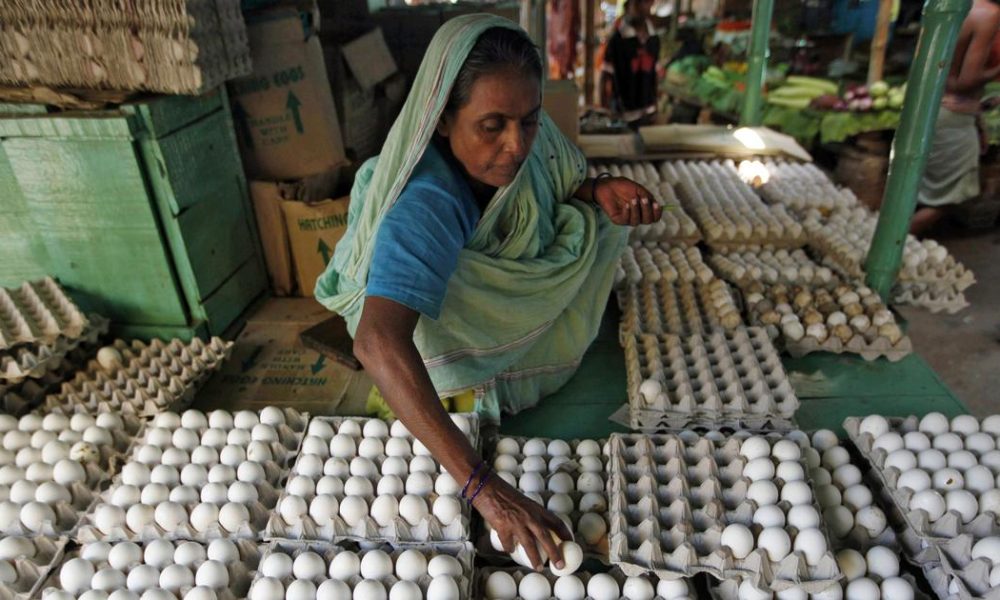
The decision to eliminate eggs from the school midday meal scheme in West Bengal has reignited a contentious debate over dietary choices, reflecting deeper ideological shifts in the state’s food policies. The ruling Bharatiya Janata Party (BJP) government has announced plans to hand over the preparation of these meals to the International Society for Krishna Consciousness (ISKCON), a prominent Hindu organization known for its promotion of vegetarianism. This move has sparked concerns regarding the nutritional implications for children, particularly those from economically disadvantaged backgrounds.
In June, ISKCON representatives stated that eggs, now set to be removed from school meals, would be substituted with alternatives such as soybeans, rajma (kidney beans), and paneer (cottage cheese). Proponents of this shift argue that these substitutes can sufficiently meet the nutritional needs of schoolchildren. However, critics, including opposition leaders and health advocates, have raised alarms about the potential impact on children’s health, suggesting that such decisions are being driven more by ideological beliefs than by nutritional science or local dietary customs.
This is not an isolated incident; other states governed by BJP have previously excluded eggs from their midday meal programs. Notably, Madhya Pradesh’s government enacted a similar ban in 2015, and Maharashtra followed suit in 2025 by cutting funding for eggs and certain sweet dishes made from millet. These actions seem part of a broader trend where food policies are increasingly shaped by political ideologies rather than by public health considerations.
Since the BJP rose to power at the national level in 2014, food-related controversies have extended beyond mere dietary preferences to touch upon broader socio-cultural issues. The enforcement of beef bans has severely impacted the livelihoods of various communities, including Muslims and Dalits, who traditionally depend on cattle for economic sustenance. Furthermore, incidents of violence under the guise of cow protection have added layers of complexity to debates surrounding food choices in the country.
As the discourse on food and nutrition evolves, it remains crucial for policymakers to balance ideological stances with the nutritional needs of children, especially those in vulnerable communities. The exclusion of eggs from school meals raises significant questions about how such decisions affect the health and well-being of future generations, underscoring the need for a more inclusive and scientifically informed approach to dietary policies.
Source: scroll.in




No Comment! Be the first one.