

Political Turmoil: Madhya Pradesh CM Faces Land Purchase Controversy Amid Ration Benefits Dispute in West Bengal
The political landscape in India is currently embroiled in two significant controversies, involving the Chief Minister of Madhya Pradesh and the West Bengal government’s ration distribution...

The political landscape in India is currently embroiled in two significant controversies, involving the Chief Minister of Madhya Pradesh and the West Bengal government’s ration distribution policies. At the forefront is the Supreme Court’s refusal to address a petition concerning the denial of ration benefits to individuals excluded from electoral rolls in West Bengal, a move that has sparked outrage among various social groups.
The Supreme Court directed the petitioners, notably the Paschim Banga Khet Majoor Samity, a union representing agricultural laborers, to escalate their concerns to the Calcutta High Court. This organization claims that a staggering 35 to 60 lakh ration cards could become invalid under the government’s new eligibility guidelines. They argue that linking ration entitlement to electoral roll revisions infringes on the fundamental rights of equality and life, highlighting a prior ruling by the court that clarified such exclusions do not impact an individual’s citizenship status.
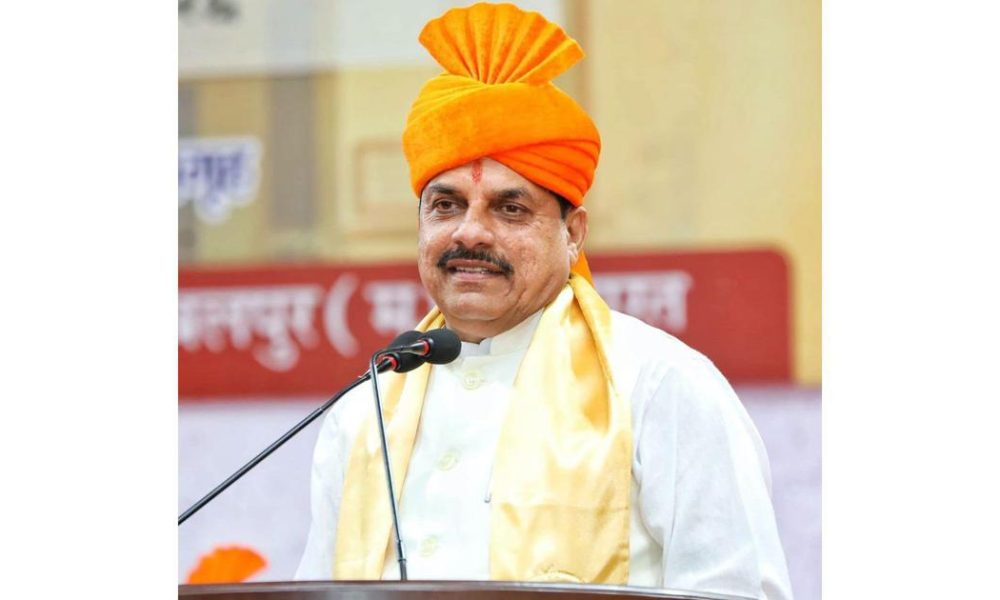
Meanwhile, the Congress party has launched a scathing critique of Madhya Pradesh Chief Minister Mohan Yadav, alleging rampant corruption and land acquisition irregularities. According to a report from The Indian Express, Yadav, his relatives, and associated real estate entities have reportedly purchased approximately 168 acres of land in Ujjain since December 2023. This real estate activity coincided with Yadav’s assumption of office, and the land acquisitions—spanning around 137 plots—are believed to be strategically located to capitalize on forthcoming infrastructure developments.
The Congress claims that this influx of land purchases reflects an “engine of loot” operating at full capacity. They assert that the timing and nature of these transactions raise serious questions about ethical governance and transparency in the state. The opposition party is demanding a thorough investigation into these dealings, suggesting that the scale of land acquisition could indicate conflicts of interest and misuse of power.
As both issues unfold, they continue to draw public scrutiny, reflecting broader concerns about governance, accountability, and the protection of citizens’ rights in India. The West Bengal government’s ration policy and the allegations against Madhya Pradesh’s Chief Minister exemplify the ongoing struggle for equitable resource distribution and ethical political conduct in the country.
Source: scroll.in





No Comment! Be the first one.