

Calcutta High Court Challenges Speaker’s Recognition of Expelled TMC MLA as Opposition Leader
The Calcutta High Court has raised significant questions regarding the West Bengal Assembly Speaker’s controversial decision to recognize expelled Trinamool Congress (TMC) MLA Ritabrata...

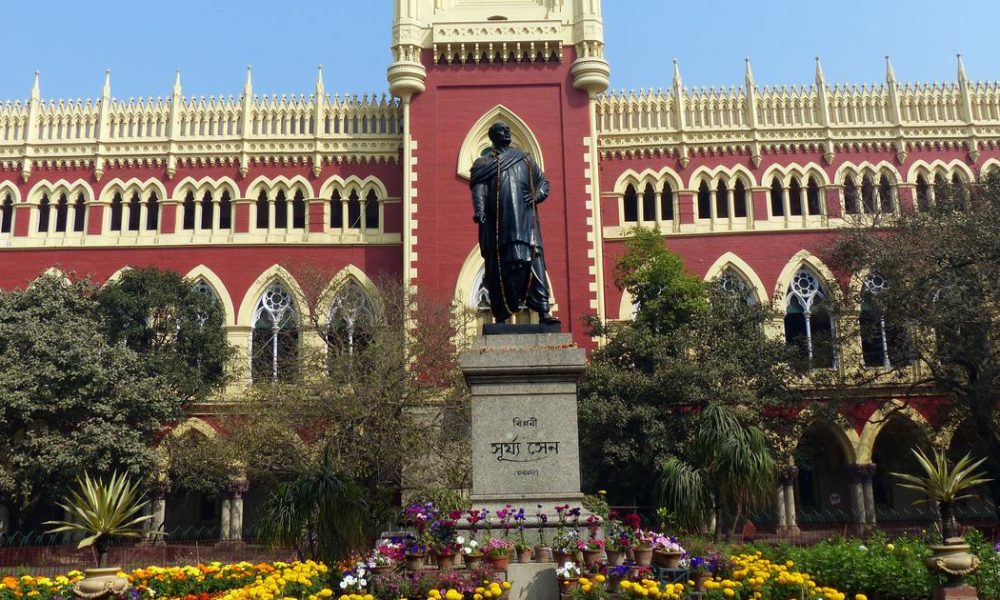
The Calcutta High Court has raised significant questions regarding the West Bengal Assembly Speaker’s controversial decision to recognize expelled Trinamool Congress (TMC) MLA Ritabrata Banerjee as the leader of the Opposition. During a hearing on Thursday, the court addressed concerns that the Speaker, Rathindra Bose, acted without the appropriate consent from the TMC party, sparking a complex legal and political debate.
Ritabrata Banerjee, who was expelled from the TMC, claimed on June 3 that Speaker Bose had accepted the assertions of 58 out of the party’s 80 MLAs, declaring them as the main Opposition group within the Assembly. This assertion poses a direct challenge to the TMC’s chairperson, Mamata Banerjee, who has endorsed Sobhandeb Chattopadhyay as the legitimate leader of the Opposition. The division within the party heightens the ongoing political turmoil in West Bengal, where internal conflicts have become increasingly apparent.
During the court proceedings, the bench pointedly noted that the individual appointed as the leader of the Opposition does not belong to any political party due to his expulsion. The bench questioned, “Can the Speaker recognize a rebel leader as the leader of the Opposition without the consent of a political party?” This inquiry sheds light on the procedural nuances of the political landscape in West Bengal, emphasizing the importance of party affiliation and legal frameworks governing such appointments.
In response to the court’s inquiries, Additional Advocate General Bilwadal Bhattacharya, representing the state, requested additional time to submit an affidavit that includes all pertinent documents related to this contentious matter. Meanwhile, TMC MP Kalyan Bandopadhyay, representing the petitioners, argued that the Speaker’s decision contravened the Tenth Schedule of the Indian Constitution, which delineates the rules concerning disqualification of members on the basis of defection.
This case is emblematic of the broader challenges faced by political parties in India, particularly as they navigate issues of internal dissent and loyalty. As the legal proceedings unfold, the implications of this ruling could resonate beyond the immediate political stakes, potentially influencing the dynamics of party politics in West Bengal. The Calcutta High Court’s scrutiny of the Speaker’s decision underscores the judiciary’s role in upholding constitutional norms in a rapidly evolving political landscape.
Source: scroll.in






No Comment! Be the first one.