

Exploring the Legacy of Yoginis: From Ancient Art to Modern Interpretations
The figure of the yogini has traversed an intriguing journey from ancient stone carvings to contemporary discussions within foreign museums. This evolution reflects a broader narrative of spiritual...

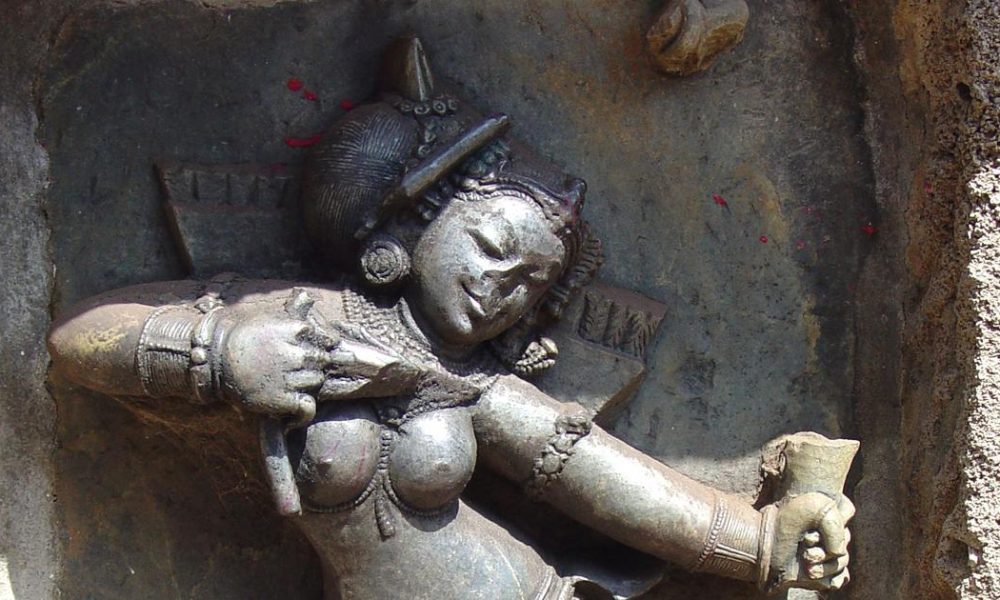
The figure of the yogini has traversed an intriguing journey from ancient stone carvings to contemporary discussions within foreign museums. This evolution reflects a broader narrative of spiritual practices that challenge established norms and explore the divine in unconventional ways.
The concept of the yogini is often intertwined with the practices of tantra, which emerged around the middle of the first millennium. During this period, as the pantheon of Hindu deities began to solidify, tantra offered practitioners a path to experience the divine on their own terms. This spiritual approach stands in contrast to orthodox religious practices, which tend to regulate and dictate the relationship between the devotee and the divine.
Historically, tantrism has been viewed with skepticism, often dismissed as a lesser form of worship. However, esteemed scholar Panini, who lived around the 5th century BCE, recognized its significance. He described tantra as the very fabric through which individuals could weave their identity and connect with the divine. Fast forward two millennia, and the poet-saint Kabir, a weaver by trade, echoed similar sentiments. His verses resonated with the common person, urging them to seek a direct connection with God, free from the constraints imposed by societal norms and religious authorities.
Kabir’s poetry challenges the established constructs of identity, which are often rooted in family lineage and tradition. He encourages self-empowerment, advocating for individuals to take charge of their destinies while critiquing the patriarchal structures and spiritual leaders that seek to define them. This voice of defiance and self-discovery is a recurring theme in the legacy of yoginis, embodying a spirit that resists conventional boundaries.
The exploration of yoginis today continues to provoke thought and inspire dialogue. As contemporary scholars and enthusiasts delve into the multifaceted representations of yoginis in art, literature, and spiritual discourse, they uncover layers of meaning that challenge the simplistic interpretations often associated with these figures. The journey of the yogini is a testament to the enduring power of spiritual practices that transcend time and cultural boundaries, inviting individuals to engage with their spiritual selves in diverse and meaningful ways.
Source: scroll.in







No Comment! Be the first one.