

Samsung Workers Demand Fair Share of AI Profits Amid Labor Tensions
In a significant labor development, Samsung Electronics managed to avert a potential strike involving approximately 48,000 workers this past May. The company’s executives reached a tentative...

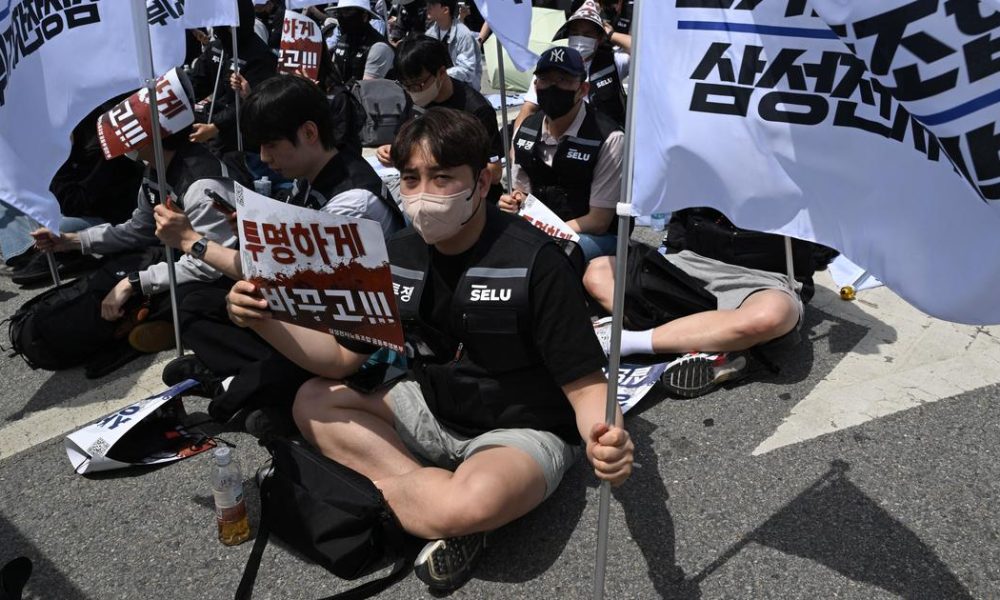
In a significant labor development, Samsung Electronics managed to avert a potential strike involving approximately 48,000 workers this past May. The company’s executives reached a tentative agreement concerning bonus payments, but this has not quelled the growing demands from the labor union for a more equitable distribution of profits stemming from the company’s lucrative semiconductor business.
As the leading memory chip manufacturer globally, Samsung has been enjoying unprecedented profits, largely fueled by a worldwide shortage of memory chips. This windfall comes at a time when the artificial intelligence (AI) industry is booming, with major tech firms such as Tesla and Nvidia depending heavily on Samsung’s products. The labor union has voiced strong objections to the current bonus structure, which primarily benefits those in the memory chip division, advocating instead for a more substantial allocation of 15% of the company’s operating profits to be shared among all employees.
Choi Seung-ho, the head of Samsung’s labor union, articulated the frustrations of the workforce, stating, “Union members find themselves in a system where they are unable to reap the performance-based rewards that they rightfully deserve due to the booming AI sector. Our goal is to rectify this imbalance.” The union’s demands resonate beyond Samsung, raising broader questions about the distribution of wealth generated by the rapidly expanding AI industry in South Korea and globally.
This situation has sparked a nationwide conversation in South Korea, culminating in suggestions from prominent policymakers for a “citizen’s dividend.” This proposal aims to allocate a share of the excess AI profits to the nation’s 52 million citizens, thereby promoting social equity and stability. Such measures would potentially address the disparities created by the tech-driven economic changes, ensuring that the benefits of innovation are felt by all sectors of society, not just the corporate elite.
The discussions surrounding Samsung’s labor issues and the proposed citizen’s dividend reflect a growing awareness of the need for systemic changes as the tech industry evolves. As more companies harness the power of AI, the calls for fair compensation and profit-sharing are likely to intensify, not just in South Korea but also across the globe. The outcome of these negotiations could set a precedent for labor relations in the tech sector and serve as a bellwether for employees in similar industries worldwide.
Source: scroll.in







No Comment! Be the first one.