

Supreme Court Ruling on Dalit Converts Sparks Debate on Caste and Religious Identity
The Supreme Court’s recent decision, which reaffirmed that Dalit converts to religions like Islam and Christianity are excluded from Scheduled Caste (SC) status, has reignited a significant...

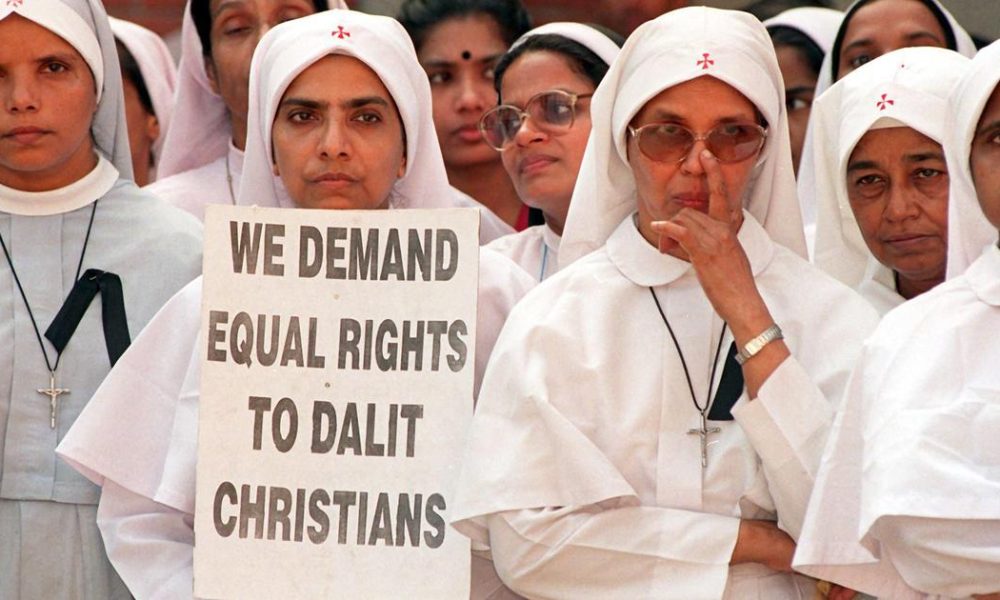
The Supreme Court’s recent decision, which reaffirmed that Dalit converts to religions like Islam and Christianity are excluded from Scheduled Caste (SC) status, has reignited a significant constitutional debate in India. This ruling not only clarifies a legal doctrine but also poses critical questions about the nature of caste and the protections offered against caste-based discrimination.
The heart of the matter lies in the interpretation of Clause 3 of the Constitution (Scheduled Castes) Order of 1950, which originally applied to Hindus and was later extended to Sikhs and Buddhists. However, this provision has consistently excluded Muslims and Christians from the SC category. The Supreme Court has emphasized that SC status is a legal recognition rather than a reflection of an individual’s lived experience, leading to the unfortunate consequence that Dalits who convert to other religions lose access to various benefits, including reservations, scholarships, and protections under the SC/ST (Prevention of Atrocities) Act of 1989.
As a result of this ruling, Dalits who choose to convert face a stark reality: the moment they embrace a faith outside Hinduism, they are stripped of their SC certificate. This legal stance raises a fundamental question: Does the state recognize caste as an intrinsic part of a person’s identity, or does it simply disregard it upon religious conversion? The implications extend beyond legal frameworks and delve into the social fabric of Indian society, where caste continues to play a crucial role.
Empirical evidence complicates the narrative further. Data from the National Crime Records Bureau (NCRB) indicates that thousands of atrocities are reported against Dalits each year, regardless of their religious affiliation. This dissonance between the law and the lived experiences of Dalit converts highlights the need for a reassessment of how caste and religion intersect within the Indian legal context.
Several advocates and activists argue that the exclusionary policies reinforce caste discrimination rather than combat it. They suggest that the law should reflect a more nuanced understanding of identity that encompasses both religious and caste dimensions to provide genuine protection for all individuals, regardless of their faith. As the debate continues, this ruling serves as a reminder of the ongoing struggle for equality and justice within India’s complex social landscape.
Source: scroll.in







No Comment! Be the first one.