

US Conducts Airstrikes on Iran Following Downing of Army Helicopter Amid Rising Tensions
In a significant escalation of hostilities in West Asia, the United States has executed airstrikes against Iranian targets, following President Donald Trump’s assertion that Tehran was...

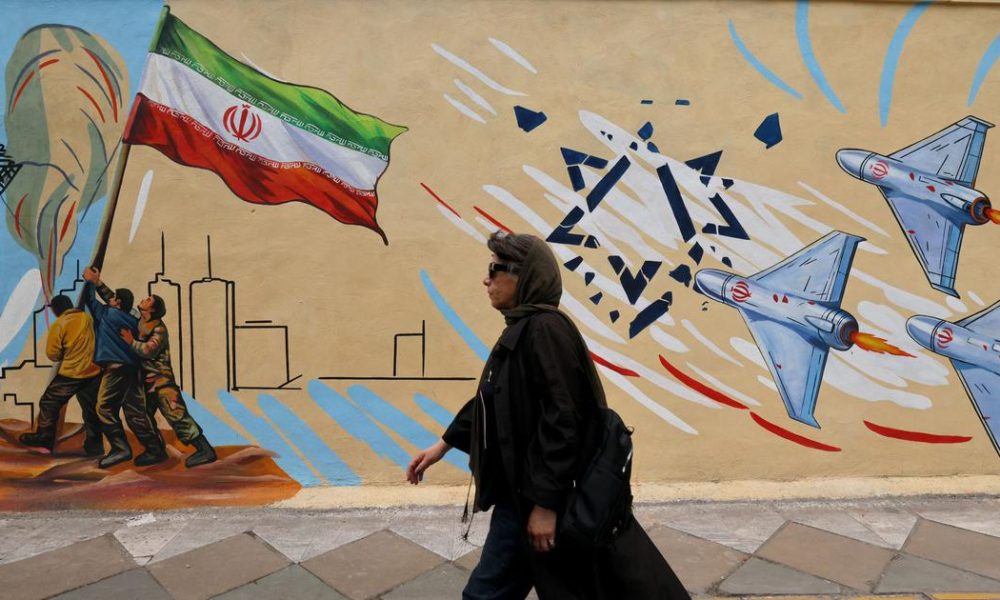
In a significant escalation of hostilities in West Asia, the United States has executed airstrikes against Iranian targets, following President Donald Trump’s assertion that Tehran was responsible for the downing of a US Army helicopter near the strategically vital Strait of Hormuz. This incident marks a pivotal moment, heightening existing tensions that had already threatened a fragile ceasefire established earlier this month on April 8.
The US military’s Central Command confirmed that these airstrikes commenced at 5 PM local time, carried out under the directive of President Trump. Describing the operation as a “self-defense strike,” the military agency emphasized that the action was intended as a measured response to recent hostile actions against US forces and international shipping in the region. The President had previously taken to social media, asserting that Iran had indeed shot down the Apache helicopter, necessitating an American counteraction.
This military engagement follows a day of heightened conflict, where exchanges of fire occurred between Iranian and Israeli forces for the first time since the ceasefire was put in place. The tensions had been mounting, with Trump warning Israeli Prime Minister Benjamin Netanyahu about the potential loss of American support should Israel persist in its military operations against Lebanon and Iran.
The backdrop to these events includes a series of Israeli airstrikes targeting military installations in Iran, which were seen as retaliatory measures following missile attacks launched from Iranian territory. Despite the recent escalatory actions, both Israel and Iran had indicated earlier in the week a willingness to momentarily pause their confrontations, with the Iranian military’s joint command suggesting a temporary ceasefire.
This evolving situation not only affects the geopolitical landscape of the Middle East but also has implications for global oil markets and international relations, particularly concerning India, which is closely monitoring these developments. As tensions continue to rise, the international community is urged to seek diplomatic solutions to de-escalate the situation and prevent further conflict.
Source: scroll.in






No Comment! Be the first one.