

Anand Patwardhan Accuses YouTube of Censorship After Removal of His Documentary
Renowned documentary filmmaker Anand Patwardhan has raised serious concerns regarding censorship after his acclaimed 1995 film, Father, Son and Holy War, was removed from YouTube. The filmmaker took...

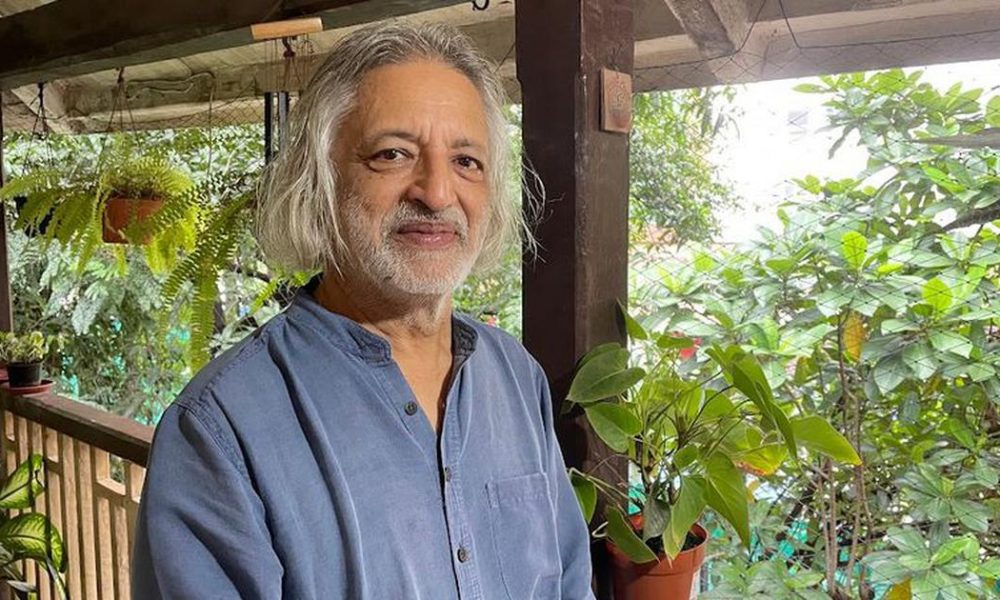
Renowned documentary filmmaker Anand Patwardhan has raised serious concerns regarding censorship after his acclaimed 1995 film, Father, Son and Holy War, was removed from YouTube. The filmmaker took to social media to express his outrage, labeling the platform’s decision as an act of censorship aimed at stifling important discourse on violence rooted in religious fanaticism.
Patwardhan criticized the removal, stating that his documentary is a critical examination of the violence perpetrated by religious extremists and political actors. He emphasized that the film serves as an exposé of brutality rather than an endorsement of such actions. In his post, he condemned YouTube, demanding, “Remove the censors, not good sense!” His sentiments resonate with many who believe that artistic expressions and documentaries should not be suppressed.
While Father, Son and Holy War has been taken down from Patwardhan’s personal channel, it is still accessible on a different YouTube channel named Alukuchi Malukuchi. This incident raises questions about the criteria used by platforms like YouTube in regulating content, especially when it pertains to sensitive topics like religion and violence.
The documentary notably delves into the complexities surrounding Hindutva, the anxieties associated with masculinity, and the misogynistic rhetoric that has been employed by both Hindu and Muslim leaders to justify acts of violence. Winning two National Film Awards in 1995 for best investigative documentary and best film on social issues, the film has been recognized for its critical engagement with pressing social concerns.
This is not the first time Patwardhan has faced challenges regarding the exhibition of his work. In 2001, after Doordarshan, the public broadcaster, refused to air the film, Patwardhan sought legal recourse. Following a favorable verdict from the Bombay High Court, which sided with the filmmaker, Doordarshan appealed to the Supreme Court. In 2006, the Supreme Court ruled in favor of Patwardhan, describing Doordarshan’s refusal to broadcast the documentary as “highly irrational” and a “blatant violation” of the freedom of speech guaranteed under Article 19(1)(a) of the Indian Constitution.
Source: scroll.in


No Comment! Be the first one.