

Demand to Delist Christian Tribals Raises Controversy at Tribal Cultural Confluence
On May 24, a significant gathering of Scheduled Tribe members from various parts of India convened at the historic Red Fort in New Delhi for the Janjati Sanskritik Samagam, known as the “tribal...

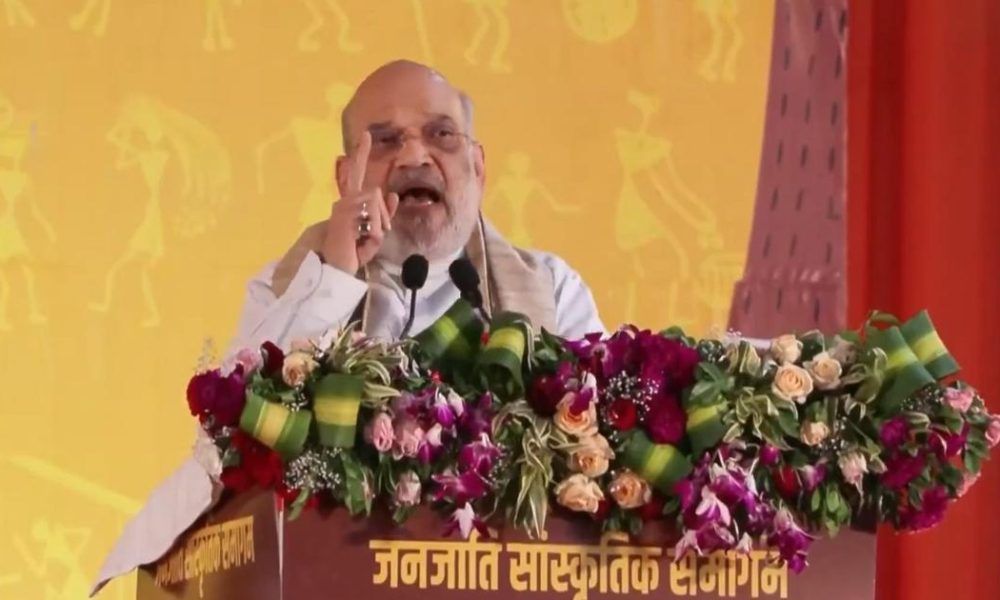
On May 24, a significant gathering of Scheduled Tribe members from various parts of India convened at the historic Red Fort in New Delhi for the Janjati Sanskritik Samagam, known as the “tribal cultural confluence.” Organized by the Janjati Suraksha Manch, or “tribal protection forum,” this event was held in celebration of the 150th birth anniversary of the revered Adivasi icon, Birsa Munda. The occasion aimed to honor the legacy of Munda and promote the preservation of tribal culture and identity.
The Indian government’s endorsement of the event was highlighted by the presence of Home Minister Amit Shah as the chief guest. During his address, Shah drew parallels between the current movement and Ulgulan, the historical revolt led by Birsa Munda against external exploitation in what is now Jharkhand. He emphasized the importance of connecting with one’s roots, safeguarding cultural practices, and fostering unity among tribes. “This andolan will connect us to the earth, save our culture and unite our religion,” he stated, inspiring the assembly with a call to action.
However, beneath the celebratory veneer lay a contentious demand that has sparked significant debate: the call for the delisting of tribals who have converted to Christianity from their recognized tribal status. While this aspect was not prominently featured in promotional materials for the event, organizers revealed to Scroll that this was indeed a central theme of the gathering. They opted not to highlight this demand in their public communications, likely to focus instead on the broader celebration of tribal identity.
The issue of conversion among tribal communities has long been a complex and sensitive topic in India. Many tribal leaders and activists argue that conversion to Christianity should not strip individuals of their tribal identity, which is often tied to their cultural heritage, land rights, and social status. Critics of the delisting demand view it as a move to further marginalize already vulnerable communities and to undermine their rights and recognition under the law.
This controversy raises critical questions about identity, religion, and the rights of indigenous people in India. As discussions continue, the implications of such demands on tribal welfare and integration into the broader societal fabric remain to be seen. The Janjati Sanskritik Samagam has not only served as a platform to celebrate tribal heritage but also as a flashpoint for addressing deeper issues affecting tribal communities across the nation.
Source: scroll.in







No Comment! Be the first one.