

Addressing the Rupee’s Decline: A Call for Economic Reforms Beyond Gold Restraint
In the wake of escalating tensions in West Asia, Prime Minister Narendra Modi has appealed for restraint among Indians regarding gold purchases. However, urging citizens to limit their gold buying...

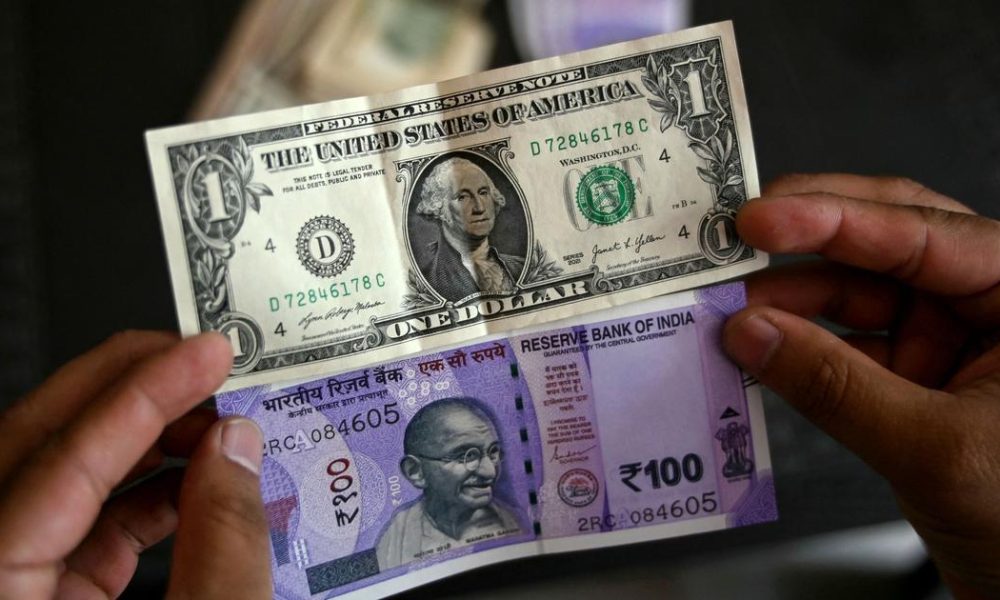
In the wake of escalating tensions in West Asia, Prime Minister Narendra Modi has appealed for restraint among Indians regarding gold purchases. However, urging citizens to limit their gold buying seems like a futile effort, akin to swimming against a relentless current. The Prime Minister’s call stems from a pressing need to conserve foreign currency as the Indian rupee has depreciated significantly, plunging from Rs 85-86 per US dollar in mid-2025 to approximately Rs 95 by mid-2026, marking a steep year-on-year decline of nearly 10%.
During the financial year 2025-2026, India imported gold worth $71.98 billion, amounting to around 721 tonnes, making it one of the largest importers of the precious metal after China. As the rupee continues to weaken, the cost of gold imports escalates, posing a significant burden on the economy. However, merely increasing foreign exchange reserves or promoting gold abstinence will not address the underlying issues plaguing India’s domestic economy.
The rupee’s depreciation is symptomatic of deeper economic vulnerabilities that have been exacerbated by external factors but are not solely attributable to them. There is a pressing need to understand that the current fluctuations in currency value reflect longstanding structural challenges within the Indian economy. Foreign investors are increasingly wary, repatriating profits and withdrawing investments due to the unpromising economic landscape. This reluctance to invest also extends to domestic firms, which are hesitant to commit to long-term capital projects amidst persistent economic uncertainty.
Key issues such as wage stagnation and declining consumer demand are at the heart of this economic fragility. As disposable incomes remain stagnant, overall consumption has slowed, further undermining economic growth. Addressing these foundational problems requires a multifaceted approach rather than superficial measures like gold purchasing restrictions. The Indian government must prioritize comprehensive economic reforms aimed at revitalizing domestic consumption and fostering a more robust investment climate.
In conclusion, while the call for restraint on gold purchases may be well-intentioned, it overlooks the deeper economic reforms necessary to stabilize the rupee and rejuvenate the economy. Only by addressing the root causes of economic fragility, including wage growth and consumer confidence, can India hope to reverse the rupee’s decline and secure its financial future.
Source: scroll.in







No Comment! Be the first one.