

The Untold Struggles of Waste Collectors: Bridging the Gap in Safety and Pay
In the bustling city of Pune, Maharashtra, many individuals like Shambhu Yadav embark on journeys far from their homes in search of work. Hailing from Meerut, Uttar Pradesh, Yadav is entrenched in...

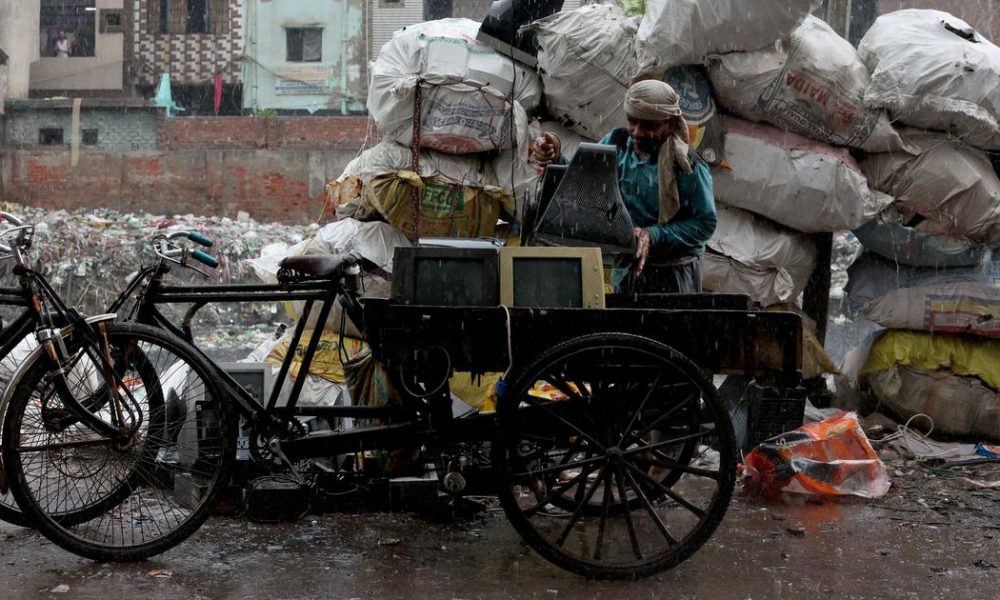
In the bustling city of Pune, Maharashtra, many individuals like Shambhu Yadav embark on journeys far from their homes in search of work. Hailing from Meerut, Uttar Pradesh, Yadav is entrenched in the informal yet essential sector of waste collection. With limited formal training and skills, he finds himself among millions across India engaging in waste management. Working for a kabadiwala, or scrap dealer, Yadav collects a myriad of refuse, meticulously segregating materials that are subsequently sold to larger dealers. Despite his tireless efforts, Yadav earns a meager daily wage ranging between Rs 100 and Rs 500.
The waste collection industry, while lucrative—valued at around Rs 1.3 trillion—is fraught with challenges, particularly with the influx of electronic waste since the early 2000s. This e-waste, often laden with hazardous substances, poses significant risks to the untrained hands of informal waste collectors like Yadav. They often dismantle discarded electronic devices without adequate protective gear, exposing themselves to dangerous chemicals and sharp materials.
Across the country in Padarayanpura, Bengaluru, another waste collector, Sharvan, exemplifies the resilience of these workers. He proudly displays copper shards he has stripped from old wires, referring to them as ‘gold’ for their high market value of Rs 1,000 to Rs 1,200 per kilogram. This reality highlights the paradox of the waste collection industry: while the potential for profit exists, the risks and safety concerns for workers remain largely unaddressed.
Despite their significant contributions to India’s waste management system, those in the informal sector often find themselves outside the ambit of formal recycling regulations. The lack of infrastructure and capacity in formal facilities to handle the staggering volume of waste is a primary reason behind this. As a result, informal workers continue to manage waste processing, yet they are devoid of essential protections and fair compensation.
Non-governmental organizations (NGOs) are stepping in to close this gap by advocating for better safety measures and fair pay for waste collectors. They are working to create awareness about the vital role these workers play in environmental sustainability and the economy. While the road ahead is challenging, the efforts of these NGOs could lead to a brighter future for waste collectors, ensuring they receive the recognition, safety, and remuneration they deserve.
Source: scroll.in







No Comment! Be the first one.