

Punjab High Court Responds to Challenge Against Meat Ban in Amritsar’s Historic Walled City
The Punjab and Haryana High Court has directed the Punjab government to respond to a petition that contests the recently imposed ban on the sale of meat within Amritsar’s walled city. This judicial...

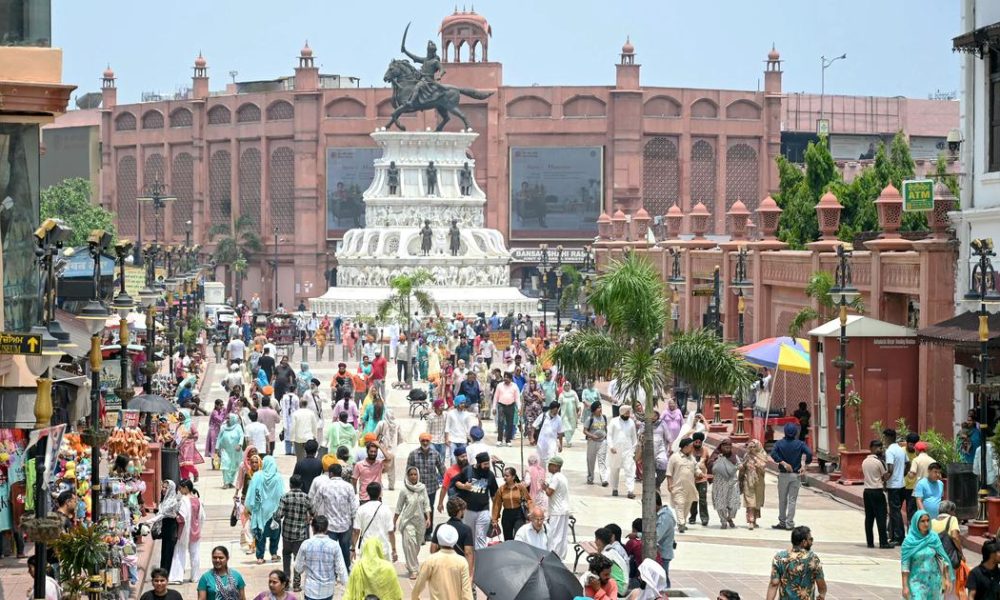
The Punjab and Haryana High Court has directed the Punjab government to respond to a petition that contests the recently imposed ban on the sale of meat within Amritsar’s walled city. This judicial notice was issued by a division bench on May 29, following a plea presented by a local meat wholesaler.
The controversy stems from a notification released by the Punjab administration in December, prohibiting the sale of meat, tobacco, and alcohol specifically in the walled city of Amritsar, alongside similar restrictions in Talwandi Sabo in Bathinda and Anandpur Sahib in Rupnagar district. The petitioner claims that the ban lacks legal foundation and asserts that the government has overstepped its authority by enforcing a policy that aligns with religious morality.
Legal arguments put forth by the petitioner highlight a significant concern: the constitutionality of a law that seemingly promotes a religious agenda without clear statutory support. They contend that the ban is problematic because the Constitution of India does not endorse religious-based territorial designations. Moreover, the petitioner pointed out that the government has failed to clearly define what constitutes the “walled city” or the “holy city,” leaving ambiguity regarding the exact areas affected by the ban.
Another critical aspect raised by the petition is the lack of a comprehensive policy to aid individuals whose livelihoods depend on the trade of the prohibited items. The walled city of Amritsar is not just a historical site but also a bustling marketplace that supports many families and businesses, particularly those catering to the local and tourist populations around the revered Golden Temple.
This case will be revisited by the bench on June 22, as the court seeks to unpack the implications of the ban and its enforcement on various stakeholders. The Punjab government originally implemented the ban on December 15, shortly after the state Assembly passed a resolution endorsing the initiative. As the matter unfolds, it is expected to spark further debates regarding the intersection of law, religious beliefs, and the rights of individuals to conduct business in a secular state.
Source: scroll.in







No Comment! Be the first one.