

Reviving India’s Coral Reefs: A Beacon of Hope Amidst Environmental Challenges
Coral reefs, often referred to as the rainforests of the sea, represent some of the most diverse and productive ecosystems on our planet. Despite covering less than 1% of the ocean floor, these...

Coral reefs, often referred to as the rainforests of the sea, represent some of the most diverse and productive ecosystems on our planet. Despite covering less than 1% of the ocean floor, these vibrant structures are home to over a quarter of all marine species, including fish, lobsters, clams, and sea turtles. In India, the urgency to protect and restore these precious ecosystems has gained significant attention, given their economic and ecological importance.
Coral reefs are formed over millennia through the growth of coral polyps—tiny marine organisms that create hard or stony corals by attaching themselves to surfaces and secreting calcium carbonate. However, since the 1950s, the world has witnessed a dramatic decline in coral populations, with nearly half of the living corals lost. This alarming trend is largely attributed to climate change, which has resulted in rising ocean temperatures and increased acidification. Additionally, human activities such as pollution, destructive fishing practices, coastal development, and unsustainable tourism have exacerbated the plight of coral reefs.
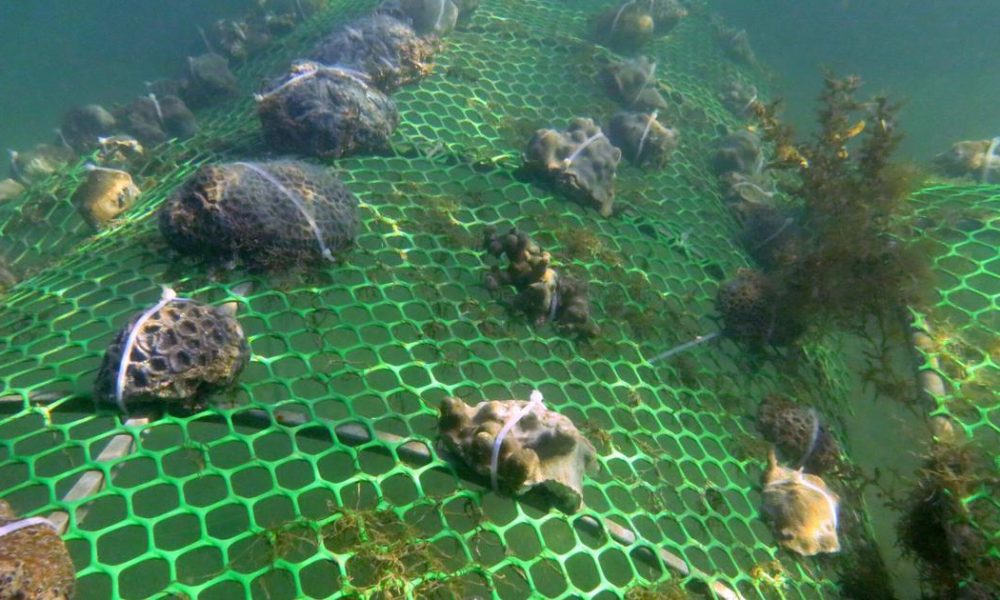
In response to these challenges, coral restoration initiatives have emerged as a proactive solution, particularly in India. Initiated in the 1970s, coral restoration involves human-led efforts to rehabilitate damaged or degraded reefs. This process includes cultivating corals in underwater nurseries or land-based facilities, which are then transplanted back into their natural habitats using eco-friendly adhesives, such as cement. The primary objectives of these restoration projects are to enhance the resilience of reefs to future environmental stresses, restore biodiversity, and protect the genetic diversity of coral species.
Recent developments in India’s coral restoration efforts showcase promising results. For instance, projects along the Andaman and Nicobar Islands and the Gulf of Mannar have demonstrated how targeted interventions can lead to the revival of coral populations. These areas, once threatened by human activity, are now witnessing a resurgence of marine life, thanks to the dedication of scientists, conservationists, and local communities. Through collaboration and public awareness campaigns, these initiatives not only aim to restore the reefs but also educate the public about the importance of marine conservation.
The path forward involves a multifaceted approach that includes stringent regulations on pollution, sustainable tourism practices, and community engagement in conservation efforts. As India continues to navigate the complexities of environmental protection, the revitalization of coral reefs serves as a critical pillar in safeguarding marine biodiversity and supporting local economies. By investing in coral restoration, India is not only preserving its natural heritage but also setting an example for global efforts in ecological sustainability.
Source: scroll.in







No Comment! Be the first one.