

Batt Koch: A Cinematic Exploration of the Kashmiri Pandit Experience
The poignant journey of a Pandit family in Jammu, longing to return to their ancestral home in Anantnag, Kashmir, unfolds in the film Batt Koch (The Lost Lane). Directed by the emerging talents Ankit...

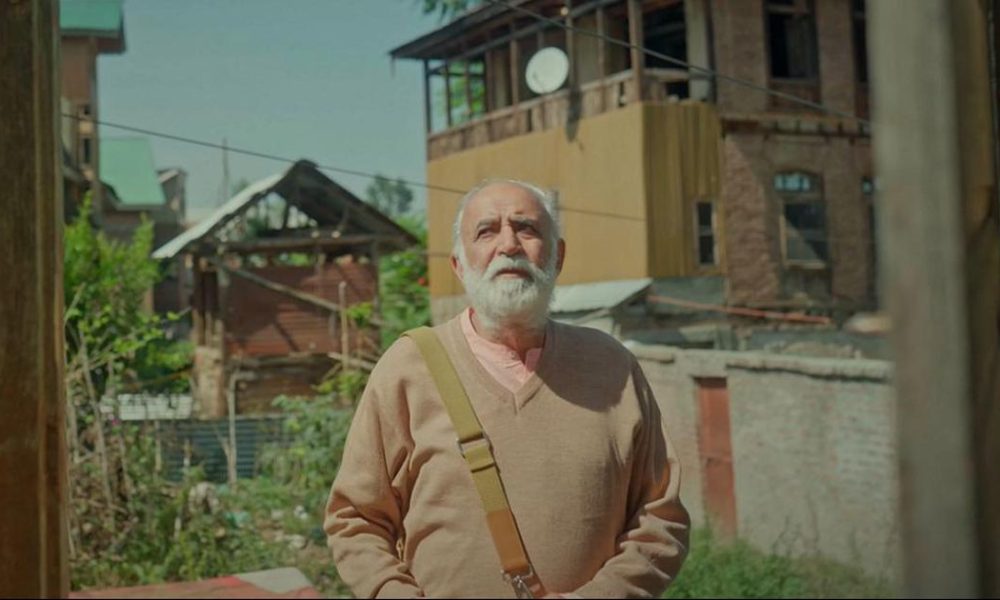
The poignant journey of a Pandit family in Jammu, longing to return to their ancestral home in Anantnag, Kashmir, unfolds in the film Batt Koch (The Lost Lane). Directed by the emerging talents Ankit Walli and Siddarth Koul, and produced by Vinayak Razdan, this narrative dives deep into themes of displacement, cultural loss, and resilience. The family, represented by Poshkar Nath Koul (portrayed by MK Raina), faces both physical and emotional barriers that complicate their return to the place they once called home.
The stark contrast between Jammu and Anantnag, although geographically close, feels like a divide between two worlds for Poshkar and his family. They grapple with the complexities of their dual heritage, where the elders communicate in Kashmiri, a language steeped in tradition, while the younger generation prefers Hindi, reflecting a blend of past and present. This cultural juxtaposition adds depth to their narrative, highlighting the struggles of maintaining identity amidst cultural erosion.
Upon Poshkar’s eventual visit back to Anantnag, he is met with a landscape that has transformed, yet echoes of the past still linger. Unlike other recent cinematic portrayals of the Kashmiri Pandit experience, Batt Koch emphasizes balance and the preservation of culture over themes of vengeance and anger. This nuanced approach not only paints a more holistic picture of their story but also invites audiences to empathize rather than escalate tensions.
Since its theatrical debut in March, Batt Koch has garnered attention and critical acclaim, recently being showcased at the New York Indian Film Festival, which wraps up this Sunday. The film has received nominations for Best Debut Feature Film and Best Actor, a recognition for MK Raina’s powerful performance. With its heartfelt narrative and rich cultural context, Batt Koch opens a dialogue about the Kashmiri Pandit community, whose stories have often been overshadowed but are now beginning to reclaim the space they deserve.
The film serves as a vital reminder of the resilience of displaced communities and the importance of remembering and preserving cultural heritage. As it continues to resonate with audiences both in India and abroad, Batt Koch stands as a testament to the enduring spirit of those who have faced loss yet continue to hope for a return to their roots.
Source: scroll.in







No Comment! Be the first one.