

Challenges Faced by Travelers with Weak Passports: A Study on Border Experiences
International travel embodies the ideal of a global community, offering individuals the chance to explore diverse cultures and landscapes. Yet, for those holding passports from countries with limited...

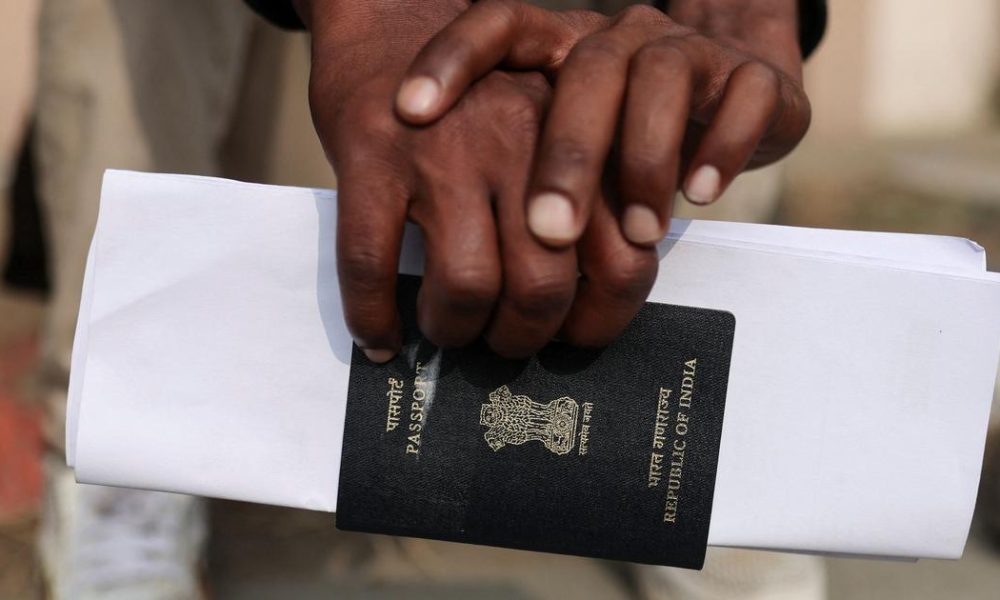
International travel embodies the ideal of a global community, offering individuals the chance to explore diverse cultures and landscapes. Yet, for those holding passports from countries with limited international access, this dream often remains unfulfilled. The Henley Passport Index, which evaluates passports based on the number of destinations accessible without a visa, highlights this disparity. For instance, Singaporean passport holders can travel to 192 countries without visa restrictions, while Afghan nationals can only access 23.
A recent study conducted by researchers, including Samira Zare and myself, delves into the complexities faced by travelers burdened with low-ranking passports. Our findings reveal that the journey begins long before boarding an aircraft; it starts with the arduous and often expensive process of securing visas. Travelers from countries with weak passports must often engage in lengthy applications, provide extensive documentation, and sometimes attend interviews. Even after all this effort, visa rejections can still occur, adding frustration to their travel ambitions.
The act of crossing borders is fraught with tension, particularly for those perceived as having weaker passports. Our research indicates that these travelers frequently experience both subtle and overt discrimination at border controls. Their nationality, race, gender, and social class can influence how they are treated when they seek to enter a new country. This treatment can manifest in various ways, from excessive questioning to longer waiting times, leaving emotional scars that linger long after the journey.
In examining these challenges, we found that travelers with weaker passports often adopt specific behaviors as a coping mechanism. They may choose to downplay their nationality or alter their appearance to avoid drawing attention at airports, illustrating the lengths to which individuals will go to mitigate potential bias. This phenomenon underscores a broader issue: the need for a more equitable and humane approach to international travel that acknowledges the complexities of identity and access.
As India continues to position itself as a significant player in the global tourism market, it is essential to recognize the barriers faced by travelers from nations with limited passport strength. Addressing these issues will not only enhance the travel experience for those affected but also contribute to a more inclusive and connected world.
Source: scroll.in






No Comment! Be the first one.