

The Global Surge in Hot Sauce Popularity: A Spicy Journey Through Flavor and Culture
In recent years, the love affair with hot sauce has transcended borders, captivating taste buds worldwide, and India is no exception. The gastronomic landscape has seen a dramatic rise in the...

In recent years, the love affair with hot sauce has transcended borders, captivating taste buds worldwide, and India is no exception. The gastronomic landscape has seen a dramatic rise in the popularity of spicy sauces, with local adaptations and global imports alike stimulating a culture that thrives on heat. From the fiery curries of South India to the zesty chutneys of the North, the incorporation of spice is deeply rooted in Indian cuisine. Yet, the recent trend of hot sauces, often bearing outrageous names, reflects a global phenomenon that is equally thrilling and daunting.
Exotic hot sauces with names that provoke curiosity and intimidation, such as ‘Assburn’s Fire-Roasted Habanero’ or ‘Screaming Sphincter Cayenne Sauce,’ have emerged, often marketed to spice aficionados seeking their next culinary challenge. These sauces are not just about flavor; they are an experience, a rite of passage for those who wish to test their limits. The Carolina Reaper, touted as the hottest pepper in the world, brings a staggering heat level of 1,569,300 Scoville heat units (SHU), created by the innovative cultivator “Smokin” Ed Currie. Such extreme heat is not for the faint-hearted and serves as a warning to those who dare to indulge.
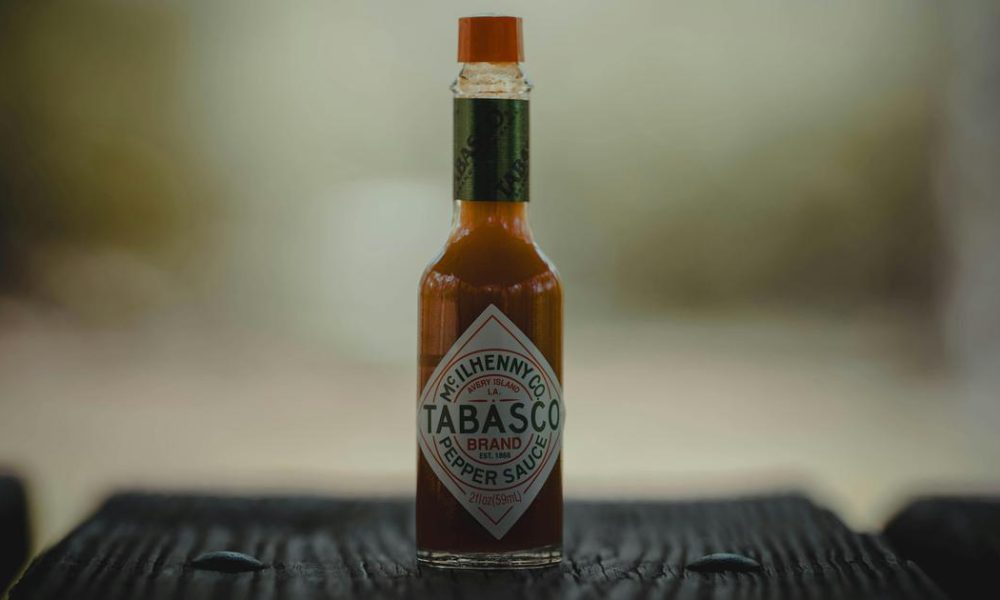
However, the hot sauce phenomenon is more than just a quest for heat; it reflects a broader trend in gastronomic preferences. While many relish the thrill of consuming sauces that promise an inferno on their palate, the majority of diners still prefer milder flavors. For instance, Tabasco sauce, which has been a staple in American kitchens since its inception, offers a more accessible heat level of 2,500–5,000 SHU, appealing to those who appreciate a gentle kick rather than an outright scorcher. This balance of heat is reminiscent of traditional Indian dishes where spice enhances rather than overwhelms, allowing the dish’s inherent flavors to shine.
As the hot sauce market continues to flourish, it has sparked discussions about taste, culture, and even identity. In India, the fusion of global hot sauces with local culinary traditions has led to innovative creations, allowing chefs and home cooks alike to experiment with flavors. The combination of classic Indian spices with fiery peppers has opened up new avenues for culinary exploration. Moreover, the growing trend has also prompted a wave of local brands to step into the spotlight, offering unique flavors that resonate with Indian consumers.
In conclusion, the evolution of hot sauce from a niche market to a global culinary staple highlights the evolving tastes of consumers. Whether it’s for the thrill of extreme spice or the rich tradition of flavor, the world’s appetite for hot sauce reflects a vibrant and dynamic food culture. As India continues to embrace this trend, blending it with its rich culinary heritage, the future of spice in global cuisines looks ever more exciting.
Source: scroll.in







No Comment! Be the first one.