

Delhi Court Orders Himanta Biswa Sarma to Address Petition Over Alleged Hate Speech
A Delhi court has instructed Assam Chief Minister Himanta Biswa Sarma to respond to a petition filed by activist Harsh Mander, which seeks the registration of a First Information Report (FIR) against...

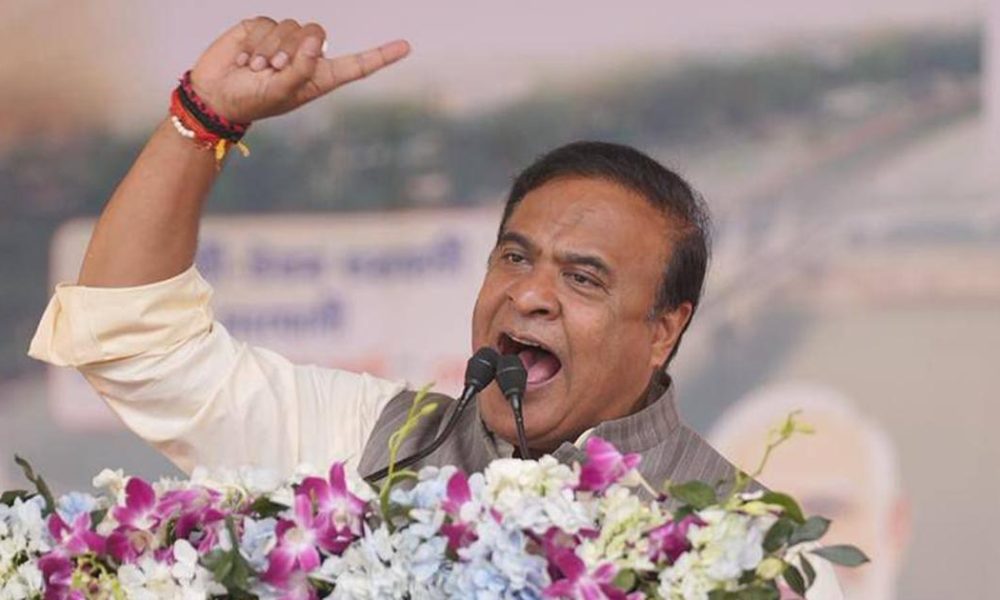
A Delhi court has instructed Assam Chief Minister Himanta Biswa Sarma to respond to a petition filed by activist Harsh Mander, which seeks the registration of a First Information Report (FIR) against him for alleged hate speech. This development occurred on Tuesday during proceedings overseen by Additional Sessions Judge Sonu Agnihotri at the Saket District Court. The court has also requested a response from the Delhi Police regarding this matter.
The petition, lodged by Mander, asserts that Sarma’s comments violate legal provisions related to promoting enmity and public mischief. Specifically, Mander points to statements made by the Chief Minister that are said to incite hostility against the Miya community, a term used derogatorily in Assam to refer to certain undocumented immigrants, predominantly of Muslim Bengali descent.
This legal action comes after Sarma made statements in January suggesting that a significant number of voters from the Miya community could be removed from electoral rolls during a special revision in Assam. Sarma was quoted saying, “Yes, we are trying to steal some Miya votes,” indicating that the removal of these voters was part of a broader strategy. His remarks have drawn widespread criticism, particularly from activists who claim they reflect an anti-Muslim sentiment.
The term ‘Miya’ is emblematic of the contentious discourse surrounding immigration and citizenship in the region, especially as it pertains to Bengali Muslims. Critics argue that such discriminatory language and policies can exacerbate communal tensions, highlighting the socio-political complexities in Assam, a state where issues of identity and immigration are particularly sensitive.
Mander had previously lodged a complaint at the Hauz Khas police station in February, following Sarma’s controversial remarks. The case has now garnered attention not only for its implications for freedom of speech but also for its potential impact on communal harmony in Assam and beyond. As the court awaits responses from both Sarma and the police, the situation remains a focal point in the ongoing discourse about political accountability and hate speech in India.
Source: scroll.in






No Comment! Be the first one.