

Concerns Rise Among Rural Workers in Jharkhand Over New Employment Program
In rural Jharkhand, the recent legislative change replacing the Mahatma Gandhi National Rural Employment Guarantee Act (MGNREGA) with the Viksit Bharat Guarantee for Rozgar and Ajeevika Mission...

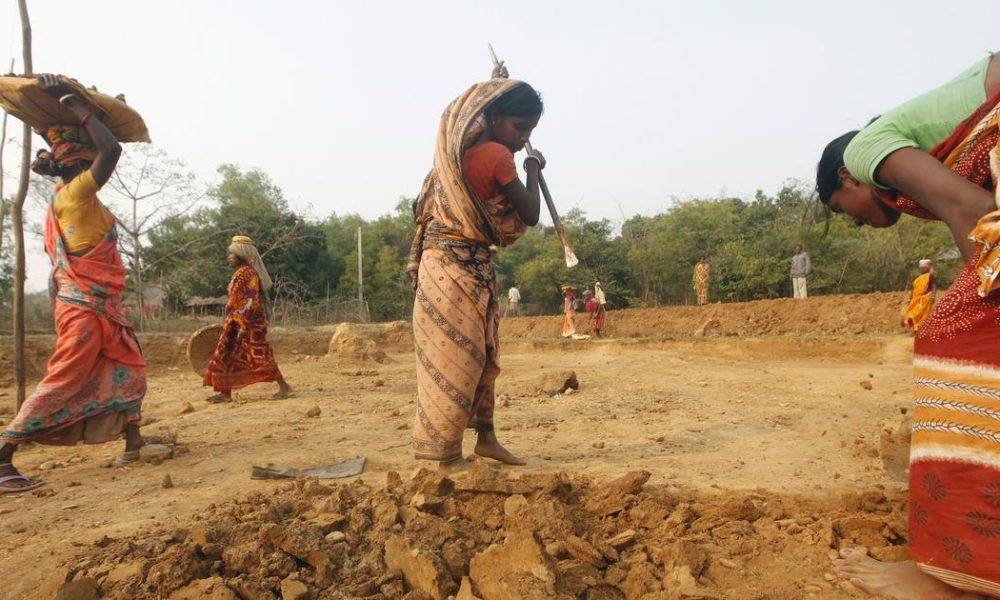
In rural Jharkhand, the recent legislative change replacing the Mahatma Gandhi National Rural Employment Guarantee Act (MGNREGA) with the Viksit Bharat Guarantee for Rozgar and Ajeevika Mission (Gramin), commonly referred to as VB-G RAM G, has sparked anxiety among local laborers. This apprehension is further amplified by the tragic case of Maini Oraeen, a 51-year-old woman who passed away after falling ill while working under the old scheme. Her son, Vishwanath Oraon, described MGNREGA as a crucial lifeline for their family, especially during the sweltering summer months when job opportunities are scarce.
The MGNREGA program, initiated in 2006 by the United Progressive Alliance government, has been a cornerstone for rural employment in India, securing jobs and providing a safety net for the poorest communities. However, the recent introduction of the VB-G RAM G scheme, passed by the central government in December 2025, has raised concerns among activists and experts regarding potential reductions in job allocations and benefits.
Vishwanath Oraon’s reflections on his mother’s commitment to MGNREGA underscore the emotional and economic significance of these employment programs in rural areas. Despite the risks associated with labor in extreme conditions, many workers view these jobs as essential for their survival. With the new VB-G RAM G law in place, many fear that the reliability and support they previously relied on could diminish, leading to a greater struggle for sustenance.
Advocates for rural workers worry that the replacement of MGNREGA could result in reduced funding, fewer job opportunities, and overall instability in employment for those engaged in labor-intensive work. The broader implications of this legislative shift could reflect a trend toward less support for rural employment, which may adversely affect the livelihoods of countless families dependent on these initiatives.
As the government rolls out the VB-G RAM G program, it remains crucial to monitor its impact on rural employment and the well-being of workers like Maini Oraeen. The legacy of MGNREGA demonstrates the vital role that government-supported employment schemes play in the lives of rural citizens, and any perceived erosion of these benefits could have profound consequences for the future of rural labor in India.
Source: scroll.in







No Comment! Be the first one.