

Regulatory Body Warns NDTV Over Controversial ‘Thook Jihad’ Term in Broadcast
The News Broadcasting and Digital Standards Authority (NBDSA) has issued a stern warning to NDTV for its use of the term “thook jihad” in a recent broadcast. This directive comes in...

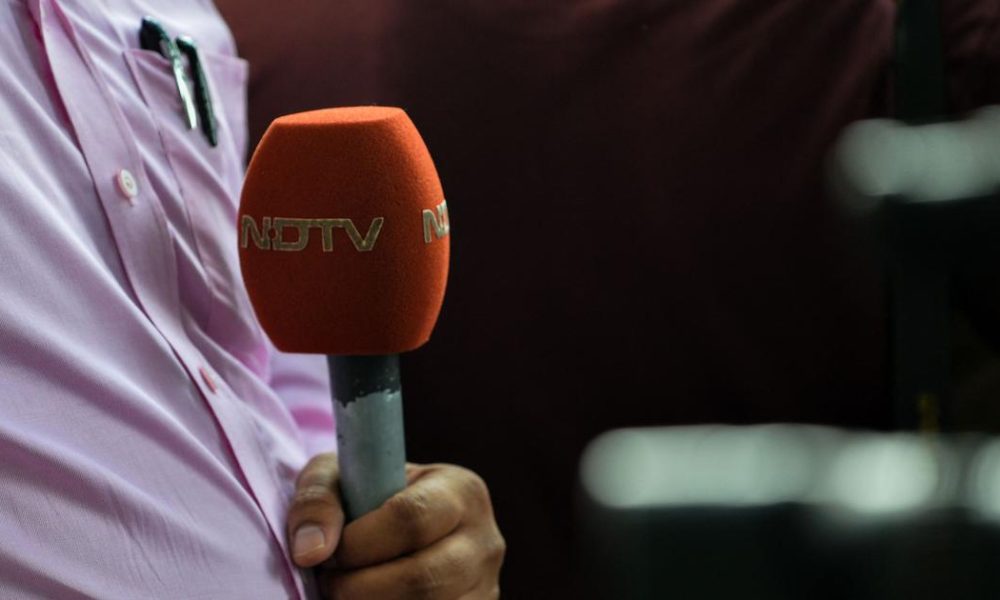
The News Broadcasting and Digital Standards Authority (NBDSA) has issued a stern warning to NDTV for its use of the term “thook jihad” in a recent broadcast. This directive comes in response to a complaint regarding the channel’s coverage of an alleged incident where a person was seen spitting on food while preparing rotis in Meerut. The phrase was deemed inappropriate and overly generalized, especially as it suggested that such actions were widespread across various locations.
The controversy was ignited by a complaint filed by advocate Utkarsh Mishra, who argued that labeling the individual’s actions as “thook jihad” not only distorted the incident but also injected a communal narrative into a fundamentally antisocial act. Mishra asserted that the term “jihad” should not be employed to describe a criminal act, as it perpetuates stereotypes and inflates tensions in an already volatile social landscape.
In his complaint, Mishra pointed out that the broadcast not only failed to adhere to guidelines aimed at preventing the communalization of crime reporting but also included an interview with the accused that was conducted by a private individual rather than law enforcement. This, he argued, misled viewers into believing it was part of an official inquiry, further complicating the integrity of the coverage. He also described the portrayal of the incident as incomplete, which raises concerns about the channel’s commitment to responsible journalism.
In its defense, NDTV responded to the accusations by asserting that their reporting was in line with journalistic standards. However, the NBDSA’s intervention highlights the ongoing challenge media outlets face in maintaining sensitivity while reporting on incidents that could easily be misinterpreted or misrepresented.
This incident underscores the importance of ethical journalism in a diverse nation like India, where media narratives can significantly influence public perception and societal harmony. The NBDSA’s stance serves as a reminder that broadcasters should exercise caution and avoid broad generalizations that may incite communal discord.
Source: scroll.in





No Comment! Be the first one.