

Exploring Literature and Identity: Vivek Shanbhag on the Art of Translation
In the intricate world of literature, the act of translation serves as a crucial bridge that connects diverse cultures and perspectives. Celebrated Kannada author Vivek Shanbhag recently engaged in...

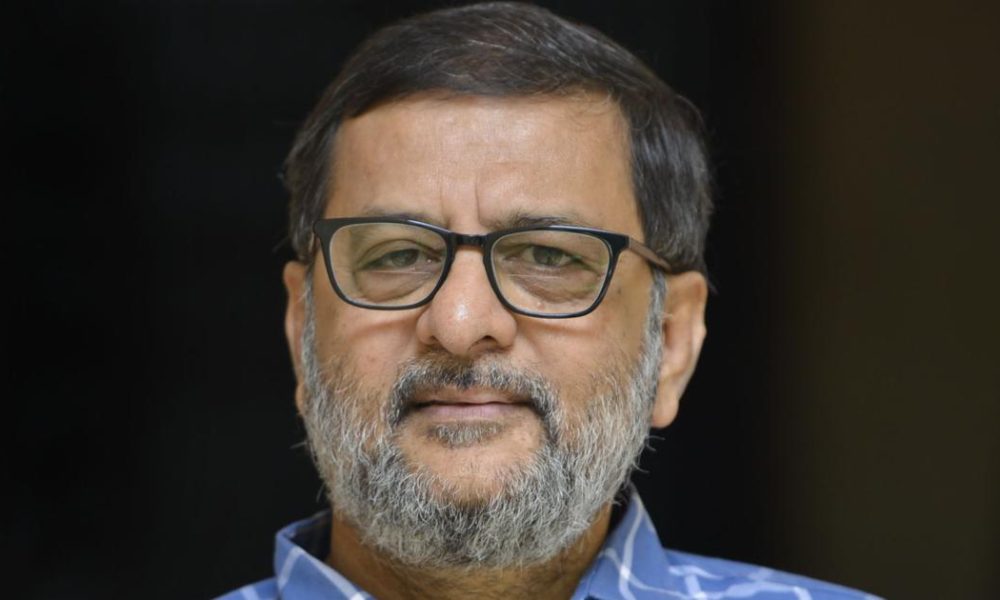
In the intricate world of literature, the act of translation serves as a crucial bridge that connects diverse cultures and perspectives. Celebrated Kannada author Vivek Shanbhag recently engaged in an insightful dialogue that examined the transformative power of literature and its impact on identity. This conversation, held with Parul Sehgal from the New Yorker, delved into how literature transcends personal boundaries and enters the public domain, while also addressing the complexities involved in translating thoughts across languages.
Shanbhag’s acclaimed novel, Ghachar Ghochar, offers a poignant exploration of how moral frameworks evolve in response to aspirations and the socio-economic pressures within families. His narrative reflects how families craft new identities and languages to articulate their experiences and choices. The essence of his work resonates deeply in a global context, as the novel has garnered attention worldwide, further illuminating the significant role of translation in making local stories accessible to a broader audience.
The discussion between Shanbhag and Sehgal touches upon the inherent challenges and nuances of language, migration, and identity. Sehgal, who has experienced a mosaic of cultural landscapes throughout her life, including Washington, Delhi, Manila, and Budapest, brings a unique perspective on how language transforms our understanding of self and community. Her description as a “good smuggler” by fellow writer Teju Cole emphasizes her ability to navigate and articulate the hidden layers within textual narratives while highlighting the often-overlooked elements of an author’s intent.
As Shanbhag reflects on the act of writing within the confines and potentials of linguistic heritage, Sehgal thoughtfully probes deeper into the ethical and aesthetic implications of this journey. Their conversation opens up broader discussions about what it means to belong in an increasingly interconnected world, where language reshapes desires and cultural perceptions. In this context, literature becomes more than mere storytelling; it evolves into a vital instrument for understanding complex human experiences across various societal landscapes.
This exchange not only showcases the artistry of translation but also poses essential questions about identity and belonging in contemporary society. As readers, we are invited to contemplate our own connections to language and literature, recognizing how these elements influence our interactions with the world around us. Shanbhag’s insights remind us of the profound role literature plays in shaping our identities, transcending borders, and fostering understanding among diverse communities.
Source: scroll.in






No Comment! Be the first one.