

The Lasting Impact of Bob Dylan on Eastern India’s Musical Landscape
In July 1965, Bob Dylan made headlines at the Newport Folk Festival by going electric, turning traditional folk music on its head. As he performed electric renditions of iconic songs like...

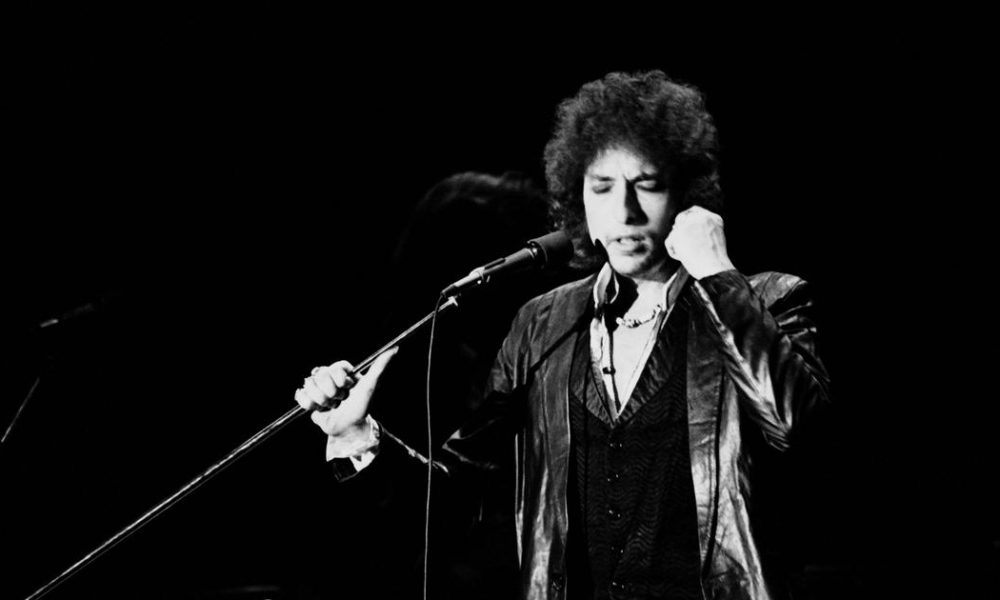
In July 1965, Bob Dylan made headlines at the Newport Folk Festival by going electric, turning traditional folk music on its head. As he performed electric renditions of iconic songs like ‘Maggie’s Farm’ and ‘Like A Rolling Stone,’ the audience, along with his mentors, reacted with shock and displeasure. They were accustomed to seeing Dylan as the face of folk music, a solitary figure with just an acoustic guitar and harmonica. Festival co-founder Pete Seeger famously expressed his outrage, stating that he would have cut the cables if given the chance. This pivotal moment was not merely about increasing the volume; it marked the beginning of an artistic revolution, one that continues to resonate to this day.
As Dylan approaches his 85th birthday on May 24, his legacy remains influential, particularly in the eastern regions of India. For over sixty years, the legendary musician has played a crucial role in reshaping the musical scene in Bengal and the North-East, merging the worlds of song and literature, protest and poetry, and traditional narratives with modern expressions of freedom.
The connection between the musical counterculture of 1960s America and the diverse cultures of West Bengal was no mere coincidence; it was forged through a series of significant, cross-cultural interactions. One notable event occurred in 1962 when Beat poet Allen Ginsberg visited Calcutta. His engagement with Bengal’s ‘Hungryalist’ poets introduced a new wave of thought and creativity that resonated deeply with artists in the region.
Ginsberg’s visit acted as a catalyst for many local musicians and poets, who began to draw inspiration from Dylan’s innovative styles and themes. This resulted in the emergence of a unique musical identity that embraced both folk traditions and contemporary issues, reflecting a deeper understanding of societal struggles and individual expression. Dylan’s influence can be seen in the works of various Bengali and North-Eastern artists, who have integrated his spirit of rebellion and artistic freedom into their own cultural narratives.
As we reflect on Dylan’s impact, it is clear that his approach to music and storytelling transcends borders. In eastern India, the fusion of his ideals with local traditions has given rise to a vibrant and expressive musical landscape, illustrating the profound effects of cultural exchange. This enduring legacy not only honors Bob Dylan’s artistic vision but also highlights the rich, interconnected tapestry of global music that continues to inspire new generations of artists.
Source: scroll.in







No Comment! Be the first one.