

The Cultural Clash: Early Indian Migrants and Their Struggle for Dignity in Canada
In 1942, a poignant scene unfolded in a small community called Fraser Mills, located near Vancouver, Canada. An Indian family, part of a very small population of migrant workers in the area, was...

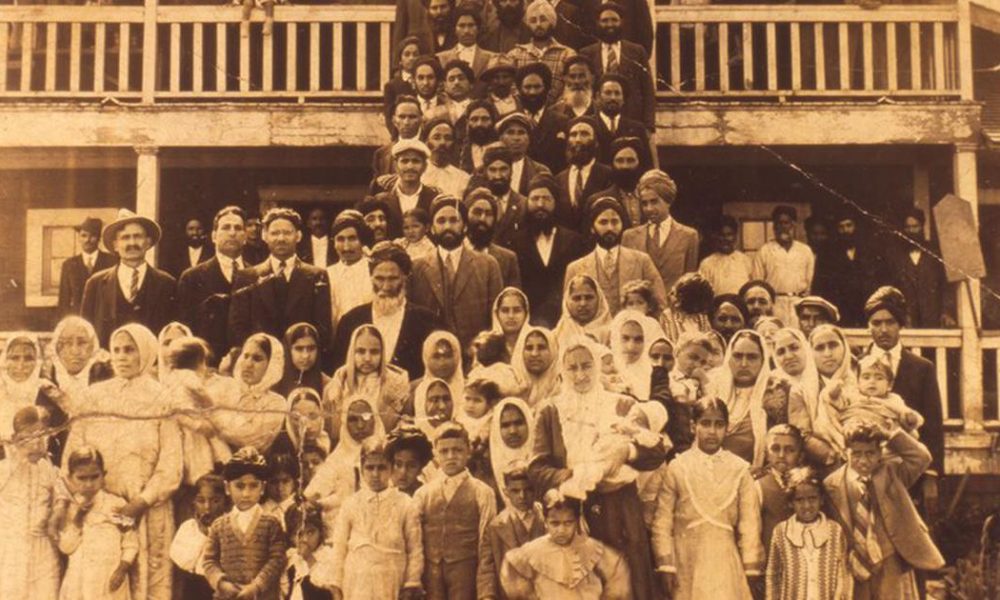
In 1942, a poignant scene unfolded in a small community called Fraser Mills, located near Vancouver, Canada. An Indian family, part of a very small population of migrant workers in the area, was preparing to conduct the last rites for a beloved member, Mrs. Assa Singh. Their sorrowful gathering was set against the backdrop of Canada’s stringent immigration policies that heavily restricted entry from non-European nations, making their presence in the country a notable exception rather than the norm.
During the funeral proceedings, the family was confronted by a disturbing display of insensitivity. A local news report described a gathering of curious onlookers, predominantly white spectators, who had come to witness the private ceremony. The family’s grief was further compounded by the intrusion, as the gathering of strangers created an atmosphere of unease. Upset by the disrespect shown by the spectators, the mourners felt compelled to relocate the rites to the early morning hours, seeking to honor their lost one in a manner that remained private and dignified.
Despite the unwelcome attention, the community approached the funeral with a sense of grace. The ceremony was marked by traditional Hindu customs, demonstrating a rich cultural heritage even in the face of adversity. Mrs. Singh was dressed in her finest attire, wrapped in an orange silk robe—a color symbolizing the status of a widow in Hindu tradition. The body was placed on a wooden pyre, about four feet in height, igniting a powerful ritual led by the officiating priest, Kartar Singh, while forty mourners stood in silent prayer, hands clasped in reverence.
This incident highlights the broader challenges faced by early Indian migrants in Canada. As they settled away from their homeland, these individuals not only sought better economic opportunities but also grappled with cultural acceptance in a foreign land. The experience at Mrs. Singh’s funeral exemplified the cultural clash that often occurred, as the South Asian community strived to maintain their traditions while enduring the scrutiny of a society that was still largely unfamiliar with their customs.
As we reflect on this historic moment, it becomes evident that the early Indian migrants in Canada were more than just laborers; they were resilient individuals attempting to carve out a space for their identity and traditions amidst significant societal challenges. Their stories are essential in understanding the evolution of multiculturalism in Canada and the ongoing journey of acceptance faced by immigrant communities today.
Source: scroll.in






No Comment! Be the first one.